


Search results for: 'filhos da razão e da justiça'
-
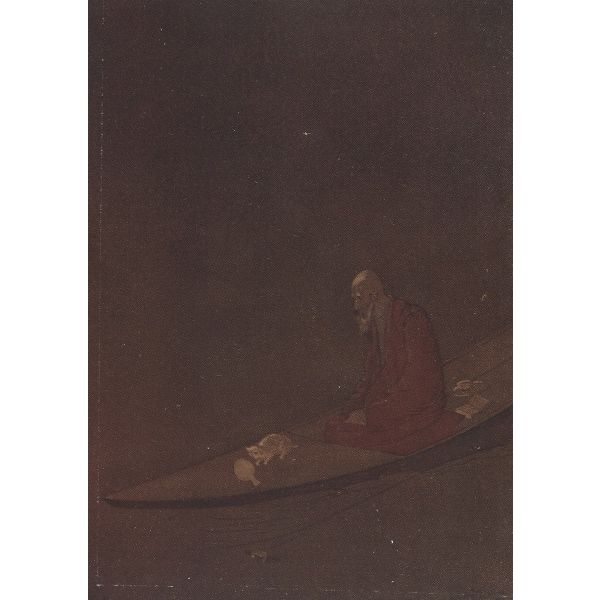 Collection Stories150 years of Abanindranath Tagore$1.00
At the turn of the twentieth century, Abanindranath Tagore asked himself if the emerging artists of modern India should continue to paint in the manner of their European colonizers; or was there a new path waiting to be forged? His answers led him to envision a pan-Asian cultural identity, spanning traditions from Persia to Japan, and culminating in a ‘new “Indian” art.’ Regarded as the founder of the Bengal School, Abanindranath left an unparalleled legacy both in terms of his own diverse body of work, and through his pupils, like Nandalal Bose, who shaped the contours of art across the subcontinent in the twentieth century.
Learn More -
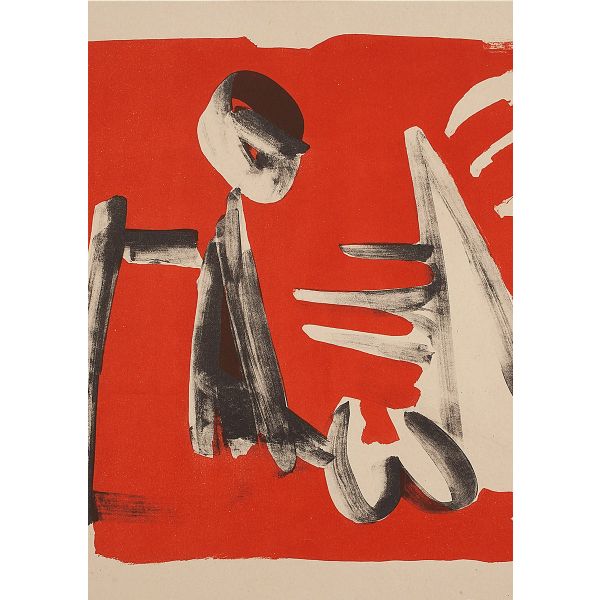 Collection StoriesA Tryst with Destiny: A Visual Journey$1.00
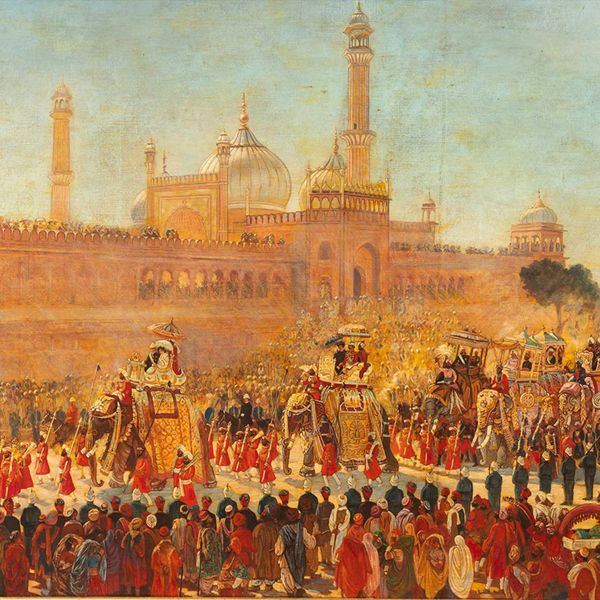
Colonization is perhaps best understood as a process that unfolded over time than as a single historical event. In India and South Asia it began with the East India Company acquiring rights over land in different parts of the country, with the occasional political victories won on the battlefields. Since the Battle of Plassey (1757), their power over legislative and judicial matters grew steadily, backed by a strong military presence. Following the First War of Independence in 1857, the British Crown brought most parts of the Indian subcontinent under its direct rule, continuing to hold power until 1947.
Learn More -
 Collection OnlineTHE TAGORES$1.00
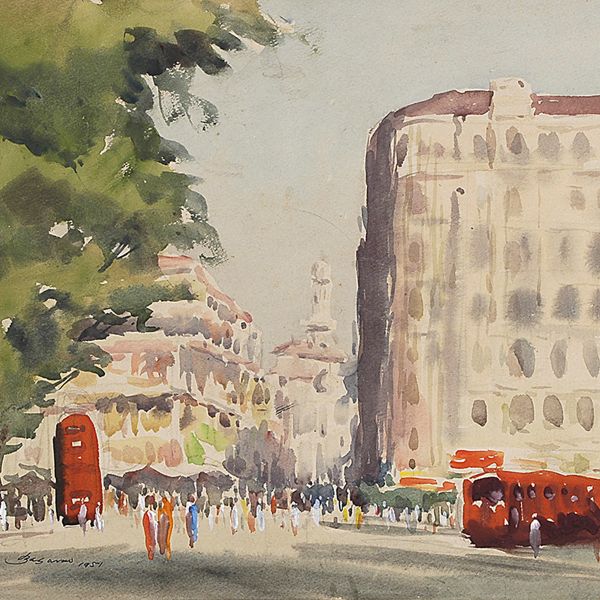
One of the most distinguished families in Bengal, the Tagores exercised unparalleled influence over the cultural landscape of the region. The Nobel Laureate, Rabindranath Tagore (1861 - 1941), and two of his nephews, Gaganendranath Tagore (1867-1938) and Abanindranath Tagore (1871 - 1951) were recognised as India’s National Art Treasure artists. Sunayani Devi (1875 -1962), their sister, is regarded as one of modern India’s first women painters known by name. Her lyrical paintings and embroideries often looked inward to an imagined world of fables and myths. At the turn of the twentieth century, we see Abanindranath emerging as the founder of the Bengal School as he envisioned a new Indian art that was free of colonial influence, rooted in pan-Asianism. Gaganendranath, on the other hand, was a prolific satirist and cartoonist, who imagined new forms and perspectives inspired by Cubism. Together they formed the influential Indian Society of Oriental Art in 1907, while Rabindranath’s school and university at Santiniketan would continue to shape modern art in Bengal for generations to come.
Learn More -
-
 Events and ProgrammesE Ek Ashcharja! Kalikata Kalankini; Athaba Chaaper Naksha Prahasan$1.00
Art Lab is travelling pop-up exhibition on Indian modern art, that transforms classrooms into museums and creates an immersive, participatory learning environment for learners.
Learn More -
 Events and ProgrammesE Ek Ashcharja! Kalikata Kalankini; Athaba Chaaper Naksha Prahasan$1.00
Art Lab is travelling pop-up exhibition on Indian modern art, that transforms classrooms into museums and creates an immersive, participatory learning environment for learners.
Learn More -
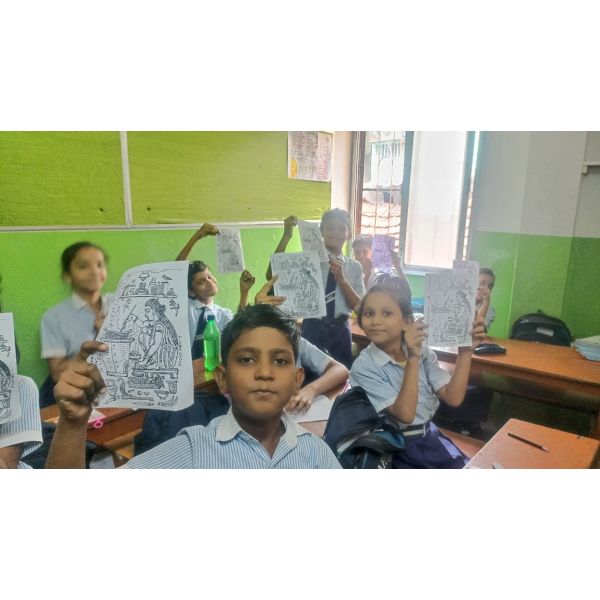 Events and ProgrammesMy World through Art$1.00
Art Lab is travelling pop-up exhibition on Indian modern art, that transforms classrooms into museums and creates an immersive, participatory learning environment for learners.
Learn More -
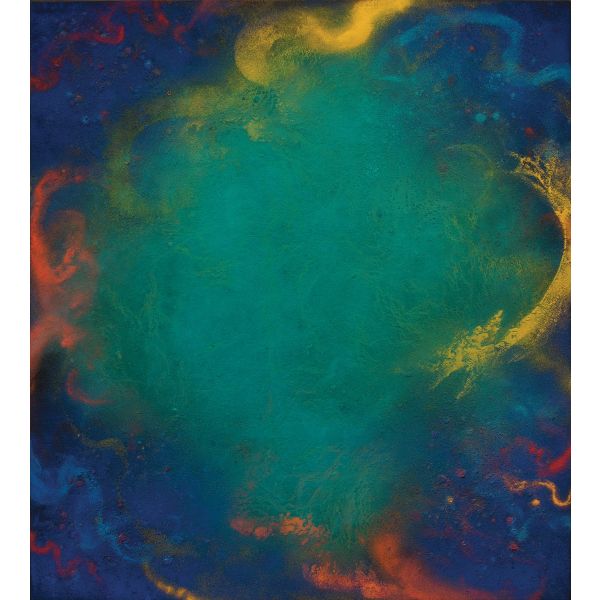 Events and ProgrammesWhy is Art Weird?$1.00
Art Lab is travelling pop-up exhibition on Indian modern art, that transforms classrooms into museums and creates an immersive, participatory learning environment for learners.
Learn More -
-
-
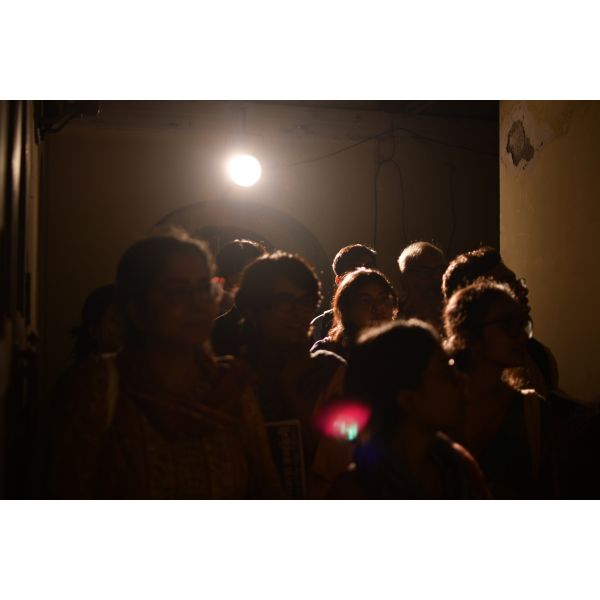 Events and ProgrammesSituating the Scene$1.00
Feminist collective Samuho navigates the interplay between the interior and exterior lives of women at the cusp of nineteenth century reform movements through a performance-installation inspired by Shreepantha’s Keyabat Meye and the tradition of Prahasan.
Learn More -
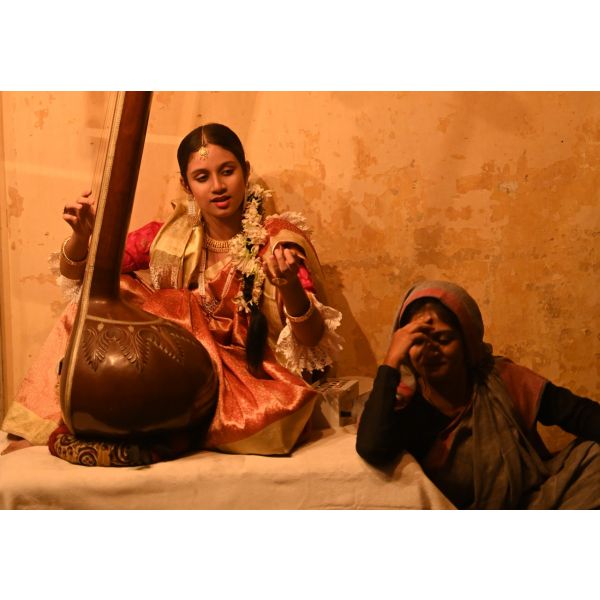 Events and ProgrammesKeyabat Meye$1.00
Feminist collective Samuho navigates the interplay between the interior and exterior lives of women at the cusp of nineteenth century reform movements through a performance-installation inspired by Shreepantha’s Keyabat Meye and the tradition of Prahasan.
Learn More