Search results for: 'how to apply for a construction loan in 2025'
-
 ExhibitionsBIRDS OF INDIAAs low as $1.00
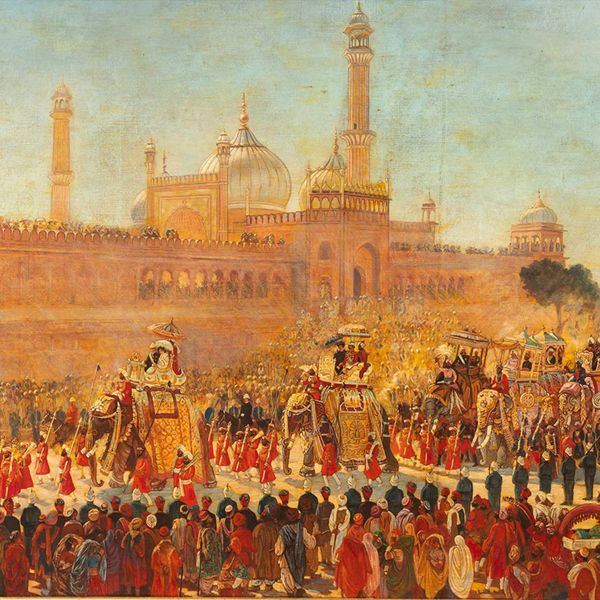
Works of art made by Indian artists for Western patrons in the early colonial period are what we now call Company Painting. The artists, who might otherwise have worked for an Indian court, sought new markets among those employed in various capacities by the European trading companies, and especially the British East India Company. Some patrons supplied the artists with new materials such as European-made paper and transparent watercolour pigments, and expressed preferences regarding subject matter, leading to new departures in both style and substance in Indian art. One of the most delightful genres of Company Painting was natural history: images of India’s plants, animals, and birds. Company Painting Company Paintings British Era
Learn More -
 Events and ProgrammesSwadeshi Baithakkhana$1.00
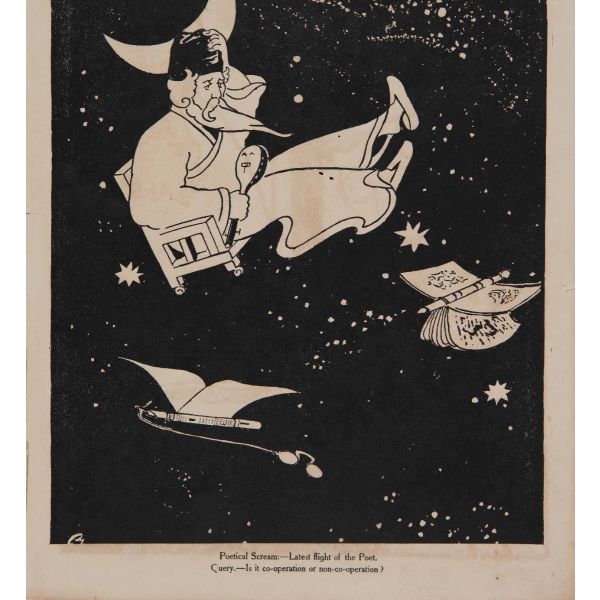
A visit to an antique furniture warehouse and the former home of historian Sir Jadunath Sarkar with Professor Rosinka Chaudhuri, as we trace the Swadeshi influence on our living spaces, and the transformation of furniture design.
Learn More -
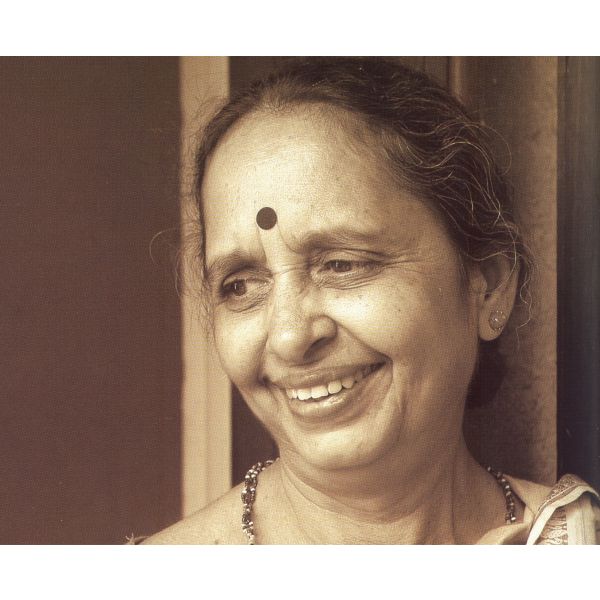 ArtistsShobha Broota$0.00Shobha Broota’s pictorial interpretation of the resonance of classical Indian ragas forms the essence of her celebrated style in which she conveys their subtle variations through minimal use of colours. Born in 1943 in New Delhi in an artistic family that inspired her to study art, Broota obtained a diploma in painting from College of Art, New Delhi, in 1964. Learn More
 -
 ArtistsS. H. Raza$0.00
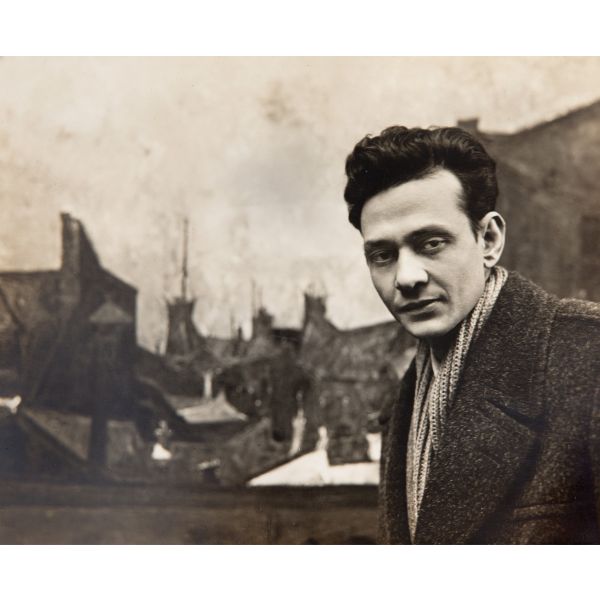
One of India’s most seminal modernists, Syed Haider Raza was born on 22 February 1922 in Mandla, Madhya Pradesh, and forged a new language of art by integrating Indian symbolism with Western expression. A student of Sir J. J. School of Art, Bombay (1943-47), and one of the first members of the Progressive Artists’ Group, the turning point of his career was his journey to Paris in 1950 on a French government scholarship to study at École Nationale des Beaux-Arts. In 1956, he became the first non-French artist to win the critic’s award, the Prix de la critique.
Learn More -
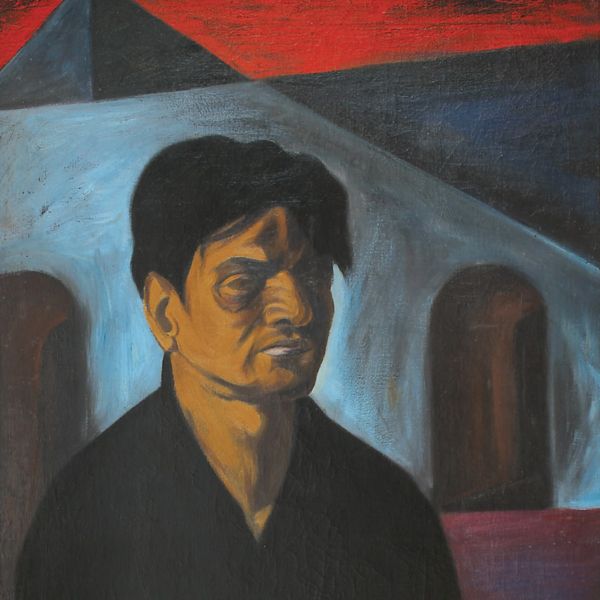 ExhibitionsManifestations VI: 75 ArtistsAs low as $1.00
Manifestations VI features an assortment of seventy-five significant artists curated from its collection. Not organised around theme or style, Manifestations features a single work or a related series of works by each chosen artist, which reflect an important facet of their unique artistic journeys. Usually dominated by 20th century modern Indian art, Manifestations VI features works spanning three centuries, from a ‘Company Painting’ set in Tirunelveli district, Tamil Nadu, done by Thomas Daniell for the East India Company in the 1790s, to an Early Bengal work of a ferocious Kali astride a supine Shiva, to several 20th century modern works. A A. Raiba Ambadas Amitava Anonymous (Early Bengal) Asit Kumar Haldar Avinash Chandra Amitava N. Arya Benode Bihari Mukherjee Bikash Bhattacharjee Bimal Dasgupta Biren De Bireswar Sen Charan Bagchi Chintamani Kar Chittaprosad P. Roy Chowdhury Dharamnarayan Dasgupta F. N. Souza G. R. Santosh Ganesh Haloi George Keyt Gopal Deuskar Gopal Ghose Gulammohammed Sheikh Himmat Shah Indra Dugar J. P. Gangooly J. Sultan Ali Jamini Roy Jeram Patel Jyoti Bhatt Jogen Chowdhury K. C. S. Panicker K. K. Hebbar K. Laxma Goud K. S. Kulkarni Khagen Roy Kshitindranath Majumdar Laxman Pai M. A. R. Chughtai M. F. Husain M. F. Pithawalla M. V. Dhurandhar N. S. Bendre Nandalal Bose Nikhil Biswas P. Khemraj P. V. Janakiram Paritosh Sen Pestonji E. Bomanji Prodosh Das Gupta Prokash Karmakar R. Vijaiwargiya Rabin Mondal Raja Ravi Varma Ram Kumar Rameshwar Broota Ramkinkar Baij Ranbir Singh Kaleka Rasik Durgashankar Raval Radha Charan Bagchi S. H. Raza Satish Gujral Shanti Dave Shobha Broota Shyamal Dutta Ray Sohan Qadri Somnath Hore Suhas Roy Sunil Das Thomas Daniell Tyeb Mehta V. Nageshkar V. S. Gaitonde V. Viswanadhan
Learn More -
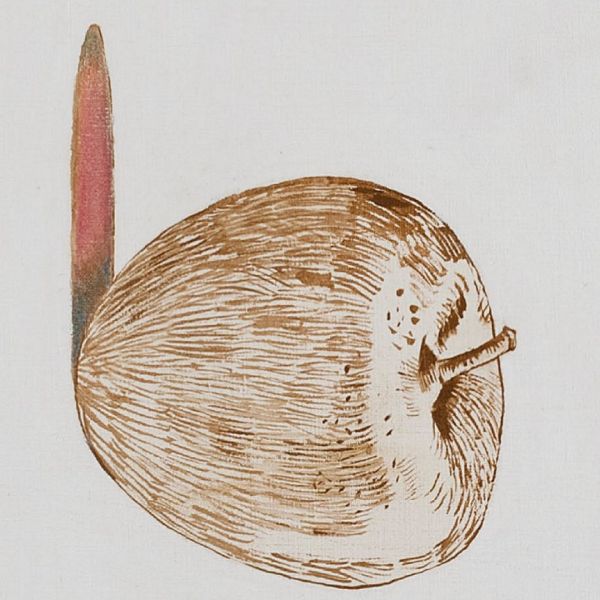 ExhibitionsPrabhakar Barwe: Between Object and SpaceAs low as $1.00
Prabhakar Barwe (1936-95) could well have ended up a theoretician whose book 'Kora Canvas' (Blank Canvas) was a manifesto that established the multi-dimensional relationship between an artist, the object on which he paints, and his subjects. That he was not just an intellectual scholar but an artist whose work speaks for him, is evident through a range of works in which Barwe dissects our understanding of the world and how we view it. Taking commonplace objects and our perception of their existence in the space they occupy, he shifts the dialogue to a point of discomfiture that makes us question our understanding of them. Using scale, discordant juxtapositions, and displacements, he reimagines the everyday in a manner that is thought-provoking, even provocative, as alternate realities—whether perceived or imagined.
Learn More -
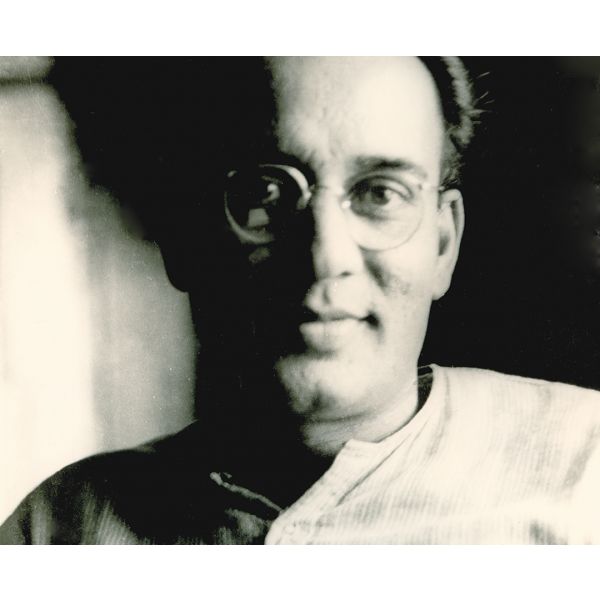 ArtistsIndra Dugar$0.00Indra Dugar, unlike his illustrious father Hirachand Dugar (1898-1951), did not have any formal education in art. Born in 1918 in Jiaganj in Murshidabad, West Bengal, he sub-consciously absorbed the artistic ambience of Santiniketan where he grew up; his father was one of the earliest students at Kala Bhavana at the Visva-Bharati University. Dugar acquired art skills from his father and considered Santiniketan his alma mater. He was inspired by his father’s mentor Nandalal Bose, who saw great promise in him. Learn More
 -
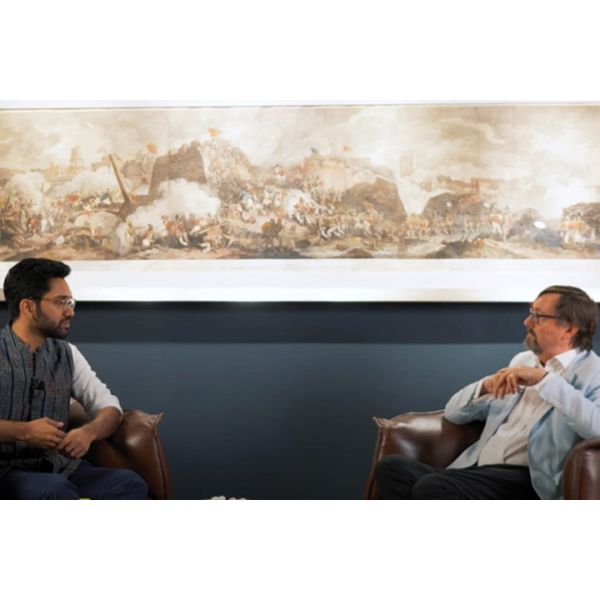 JournalRemembering Tipu Sultan: Manu Pillai and Giles Tillotson$0.00Historian and author Manu S. Pillai in conversation with art historian and curator Giles Tillotson on the subject of Tipu Sultan in the context of DAG’s exhibition, 'Tipu Sultan: Image and Distance' Learn More
 -
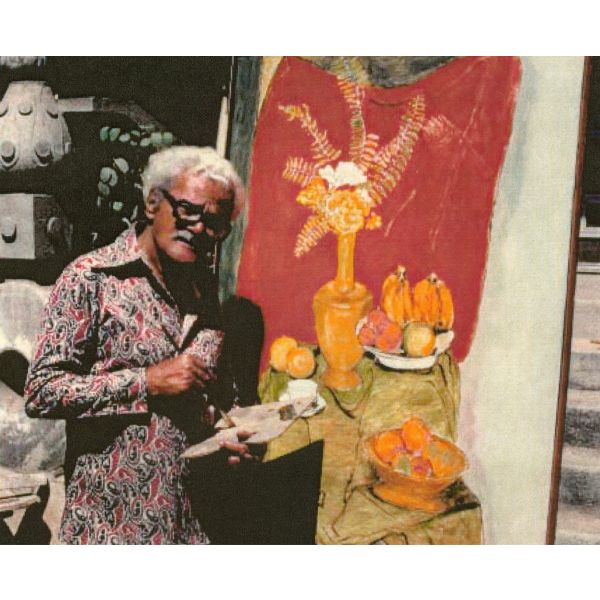 ArtistsP. T. Reddy$0.00Pakala Thirumal Reddy was born to a farmer’s family in Andhra Pradesh’s Karimnagar district. Defying his family’s opposition to art as a professional practice and fascinated with colour and form in his childhood, Reddy joined Sir J. J. School of Art, Bombay, on a scholarship, to study painting. Learn More
 -
-
-