


Search results for: 'jodie foster pat crowley'
-
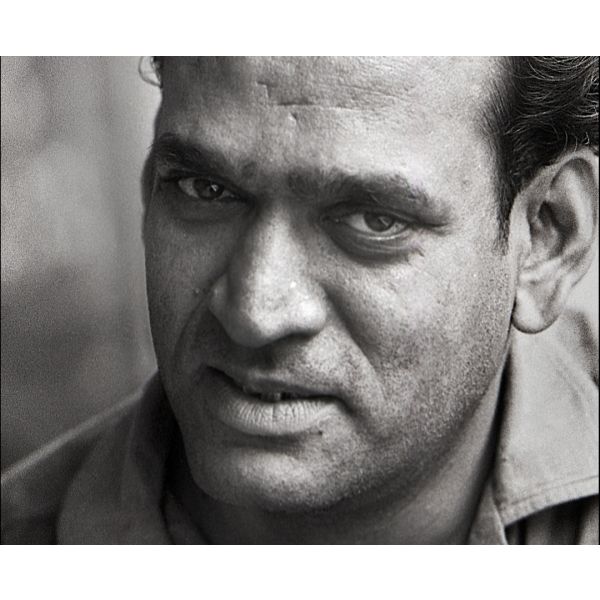 ArtistsJeram Patel$0.00Jeram Patel, who earned renown as an abstractionist, was among those artists who rebelled against modernistic approaches and altered the Indian art scene of the 1960s by formulating a new visual identity and method of abstraction. Learn More
 -
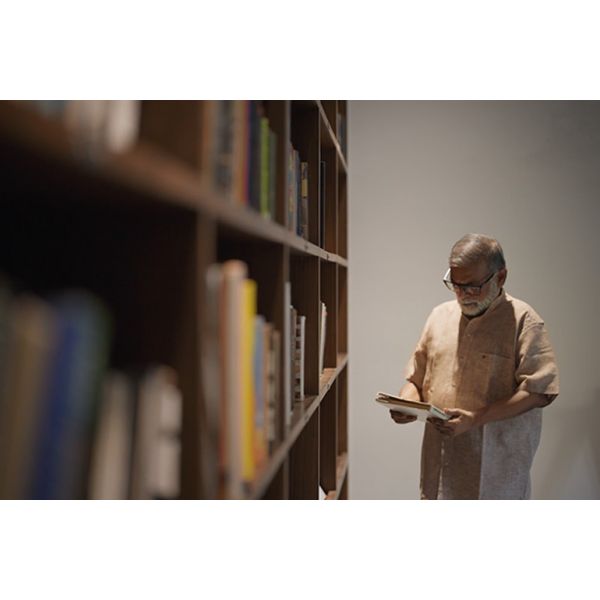 JournalThe Poet (Head of Rabindranath Tagore) by Ramkinkar Baij$1.00
Ramkinkar Baij is rightfully described as India’s first modernist sculptor for his pathbreaking use of cement and laterite as material, his choice of subjects and scale in public art projects, and his unconventional development of ideas.
The Poet is an abstract portrait of Rabindranath Tagore, imagined through negative spaces, concaves and convexes forming the eyes in a hollowed head, a masterclass in Baij’s cubist vocabulary. The portrait shared almost no physical attributes with the subject, instead focusing on distorting Tagore’s visage to give us insights into the state of his mind.
Learn More -
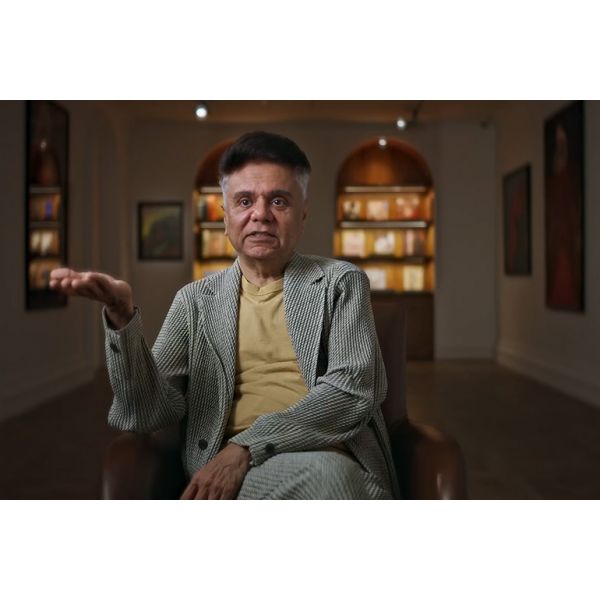 JournalIn the Snows of Kashmir by G. R. Santosh$1.00
G. R. Santosh created a hugely accomplished career without formal training in art. His abstract paintings made in the early 1960s had Kashmir as his muse, and often used encaustic and beeswax—a process he learned from Shanti Dave. Architect and designer Pinakin Patel shares his views about In the Snows of Kashmir, Santosh’s masterful painting with textural relief in a monochrome palette.
Learn More -
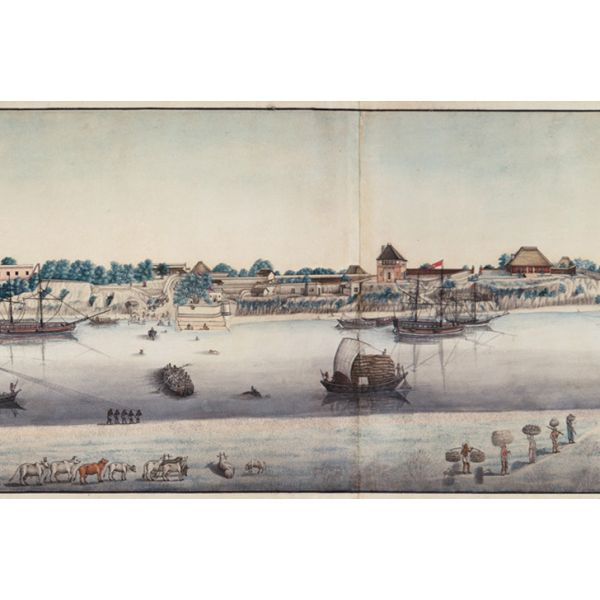 JournalWilliam Dalrymple on 'Indian Painting for the East India Company'$1.00
Also known as Company School, this genre is the Indo-European style of painting made in India by Indian artists, most of whom worked under the patronage of the East India Company. Focusing on a spectacular painting, William Dalrymple takes us through a journey of this neglected yet outstanding genre of art from nineteenth century India.
Learn More -
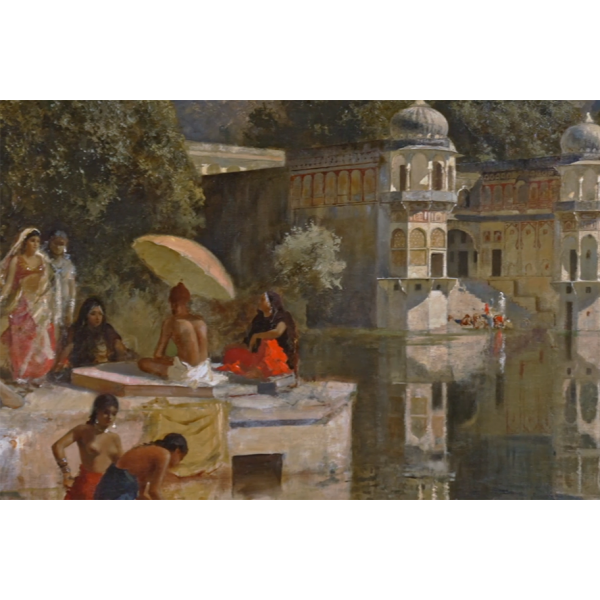 JournalLakshyaraj Singh Mewar on Edwin Lord Weeks$0.00'Iconic Masterpieces of Indian Modern Art, Edition 2' opened on 11 February, featuring fifty artworks which shaped the trajectory of pre-modern and modern art in the country. As part of the exhibition, Lakshyaraj Singh Mewar explores arts patronage in Mewar under Maharaja Fateh Singh and reflects on artist Edwin Lord Weeks’ painting ‘Lake at Oodeypore’, capturing, in the Orientalist style, lake Pichola as the soul of Udaipur. Learn More
 -
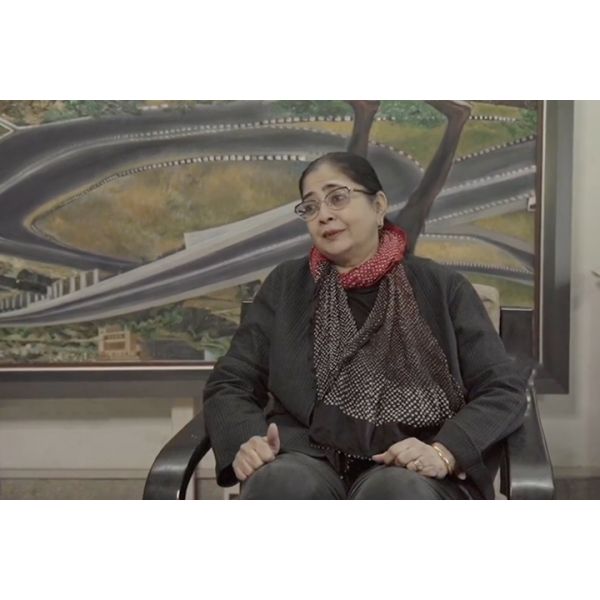 JournalArtists (Un)Scripted – Vasundhara Tewari Broota$0.00
What does it take to liberate a woman’s figure from patriarchal gaze? Courage and conviction, perhaps, as artist Vasundhara Tewari Broota shares in this short interview. Speaking from the experience of painting with courage, the artist also provides a peek into her thought process.
Learn More -
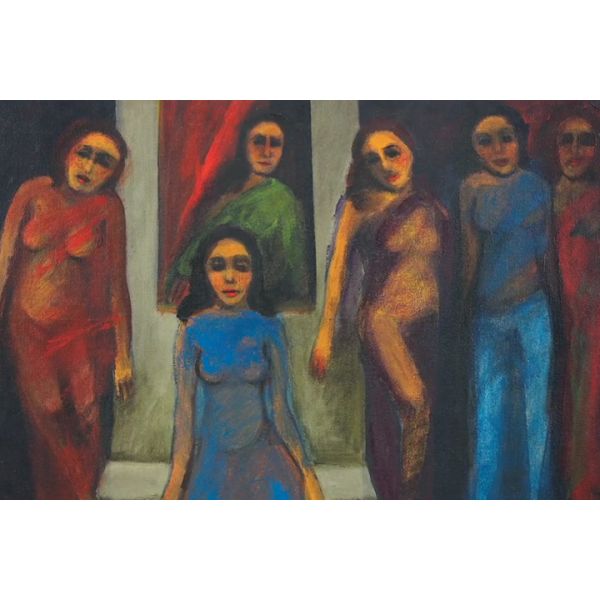 JournalArtists (Un)Scripted – Gogi Saroj Pal$0.00Gogi Saroj Pal was one of the earliest women artists of India to paint the female body as a receptacle of patriarchal gaze, a trope that she has continued to explore right through the seventh decade of her life. She speaks with commendable candour in this short video on how art helped liberate her as an individual. Learn More
 -
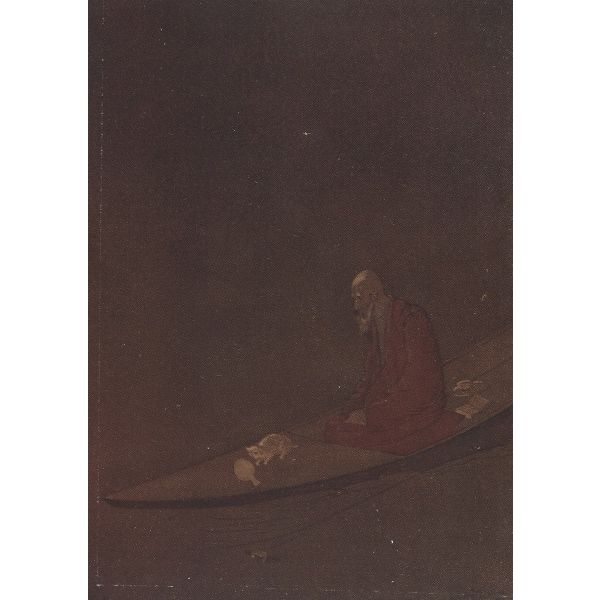 Collection Stories150 years of Abanindranath Tagore$1.00
At the turn of the twentieth century, Abanindranath Tagore asked himself if the emerging artists of modern India should continue to paint in the manner of their European colonizers; or was there a new path waiting to be forged? His answers led him to envision a pan-Asian cultural identity, spanning traditions from Persia to Japan, and culminating in a ‘new “Indian” art.’ Regarded as the founder of the Bengal School, Abanindranath left an unparalleled legacy both in terms of his own diverse body of work, and through his pupils, like Nandalal Bose, who shaped the contours of art across the subcontinent in the twentieth century.
Learn More -
 Institutional CollaborationsGhare Baire: The World, the Home and Beyond 18th – 20th Century Art in Bengal$1.00
Ghare Baire was a museum-exhibition showcasing over 200 years of art in Bengal. Presented by DAG in collaboration with the National Gallery of Modern Art and the Archaeological Survey of India, the exhibition was housed at the historic Currency Building, across twelve galleries featuring over 700 artworks. The exhibition was the largest showcase of Bengal Art, presenting a panoramic view of the evolution of art in a region that has been critical to the development of Indian modern art. The exhibition starts with the arrival of the travelling European artists at a time of exchange between Bengal and the world. This confluence of cultures stimulated new visual languages as we see in the Kalighat pat, the Bengal School, and the subsequent emergence of artists who fearlessly and freely experimented with form and subject, reshaping the trajectory of art in India.
Learn More -
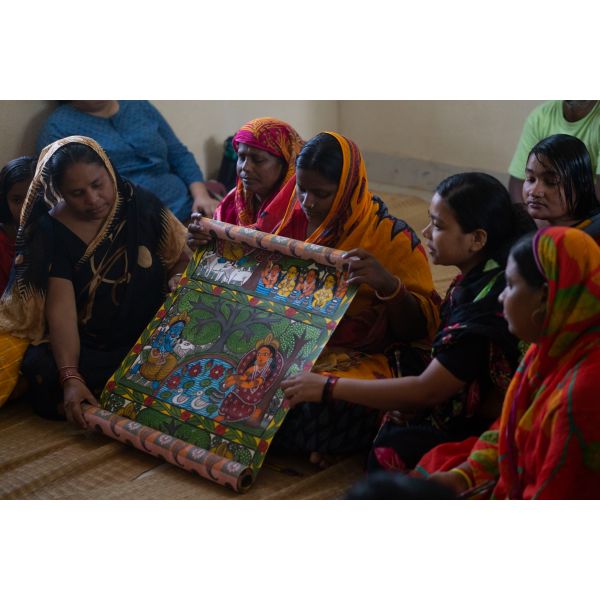 Events and ProgrammesPigment: Material Matters$1.00
A workshop on making botanical pigments with the Patachitrakars at Naya Village, who will share their songs and painted scrolls.
Learn More -
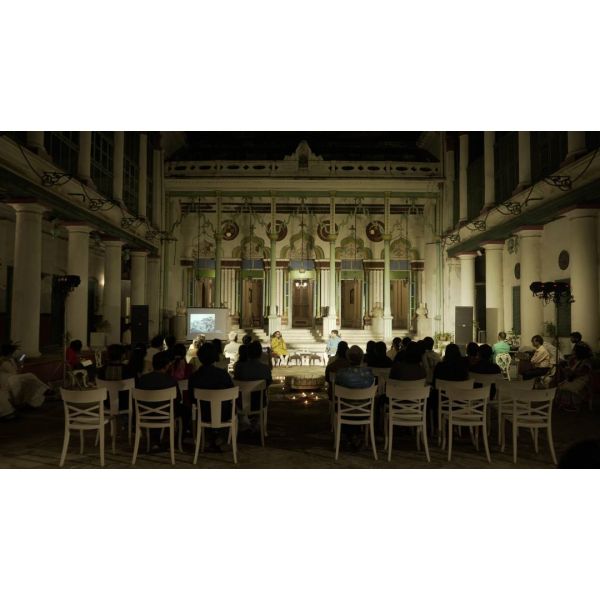 Events and ProgrammesRevisiting the Tagores$1.00
A musical evening at Prasad Tagore Palace, the heritage residence of Pramantha Tagore, preceded by a conversation with Sujaan Mukherjee about the Tagore family’s ties to music, theatre, and art patronage.
Learn More -
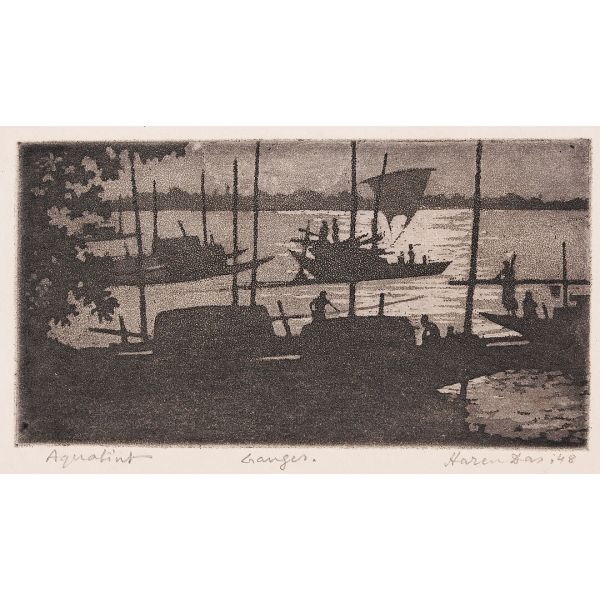 Events and ProgrammesMapping the Colony$1.00
A workshop by Priyank Patel, from the Department of Geography, Presidency University, for ages 16 and above, on mapmaking in the colonial and postcolonial era and how maps of Calcutta (and later, Kolkata) were shaped through these different ways of knowing the world.
Learn More