


Search results for: 'battlefield v ano de lançamento'
-
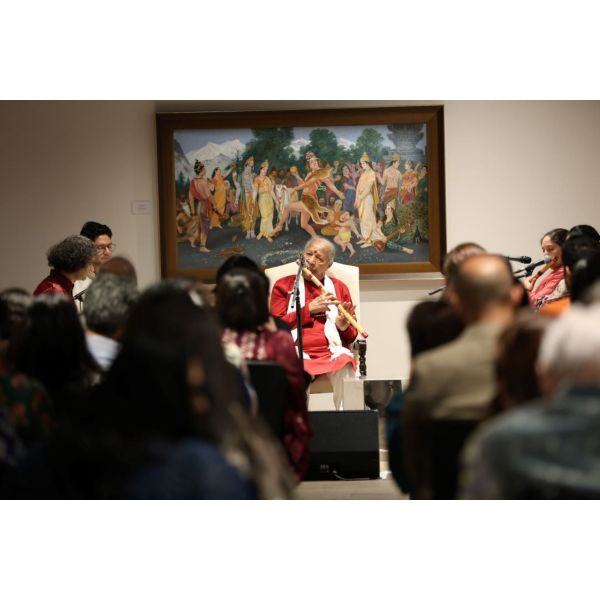 JournalAn Evening with Pandit Hariprasad Chaurasia$1.00
Guests joined DAG for an enchanting flute recital by internationally acclaimed Pandit Hariprasad Chaurasia and a curatorial walk-through of Delhi Durbar: Empire, Display and the Possession of History by historians and curators Rana Safvi and Swapna Liddle.
Learn More -
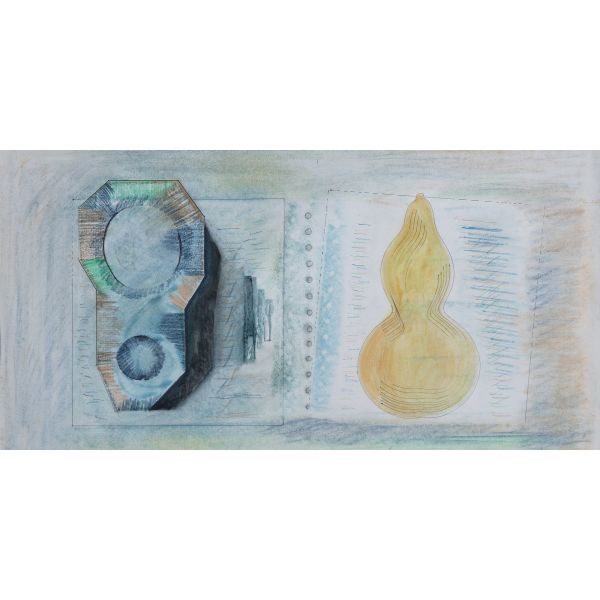 JournalSearching for the ‘Inner Form’ in Prabhakar Barwe’s Blank Canvas$0.00
Artists have often formulated their theories and observations to analyse and become aware of the cognitive modes of art making, and to associate with broader contemporaneous art movements. These manifestos become a window into an artist’s process. Prabhakar Barwe’s seminal treatise, <i>Kora Canvas</I> (The Blank Canvas, 1989), exemplifies his deep understanding of the fundamental elements of art and keen observations of nature and his surroundings.
Learn More -
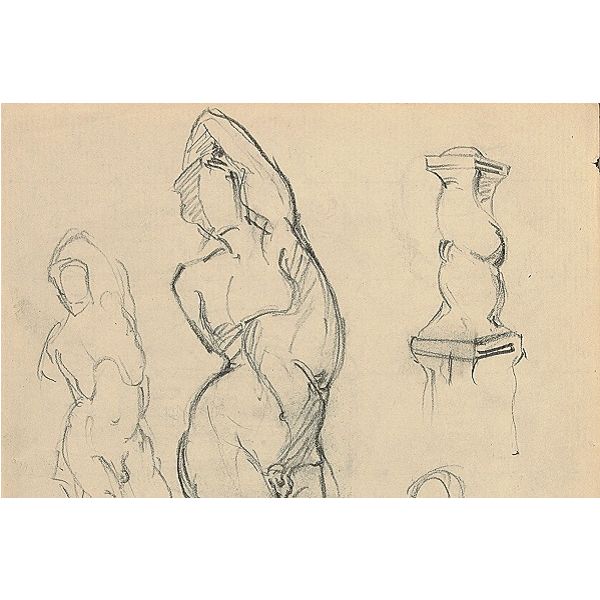 JournalTerm of the Month: Figure Drawing$0.00
The advent of abstraction is a defining moment in art history as we devise divisions between representational, figurative, and abstract art, with the need arising from this pivotal formal shift in the modern world. The term ‘figurative’ has come to represent an antithesis of sorts to the term abstract. One is representational of reality, the latter a derived (abstracted) representation or even non-representational (colour-field paintings for example).
Learn More -
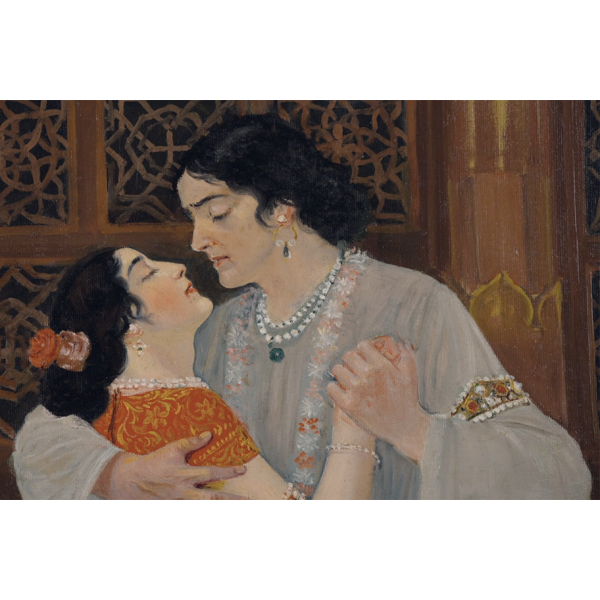 JournalTasneem Zakaria Mehta on M.V. Dhurandhar$0.00'Iconic Masterpieces of Indian Modern Art, Edition 2' opened on 11 February, featuring fifty artworks which shaped the trajectory of pre-modern and modern art in the country. As part of the exhibition, Tasneem Zakaria Mehta reflects on M.V Dhurandhar’s mythological painting of Usha and Anirudhdha’s union, drawing attention to the grace and fluidity that suffuse his expert rendition of form along with his mastery over capturing the intricate details of women’s dresses. Learn More
 -
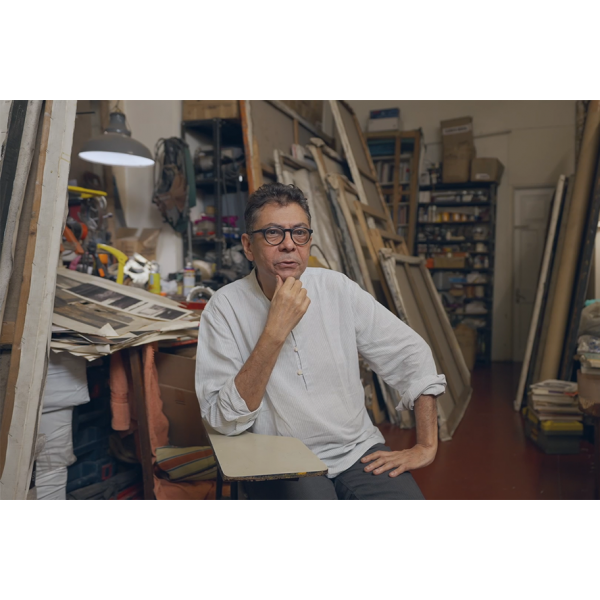 JournalChittrovanu Mazumdar on Nirode Mazumdar$0.00'Iconic Masterpieces of Indian Modern Art, Edition 2' opened on 11 February, featuring fifty artworks which shaped the trajectory of pre-modern and modern art in the country. As part of the exhibition, Chittrovanu Mazumdar explores the sense of rhythm in his father Nirode Mazumdar’s ‘Boitorini Series’, drawing attention to how its controlled colour palette depicts the flow of life in the metaphor of a river that one must cross during one’s lifetime. Learn More
 -
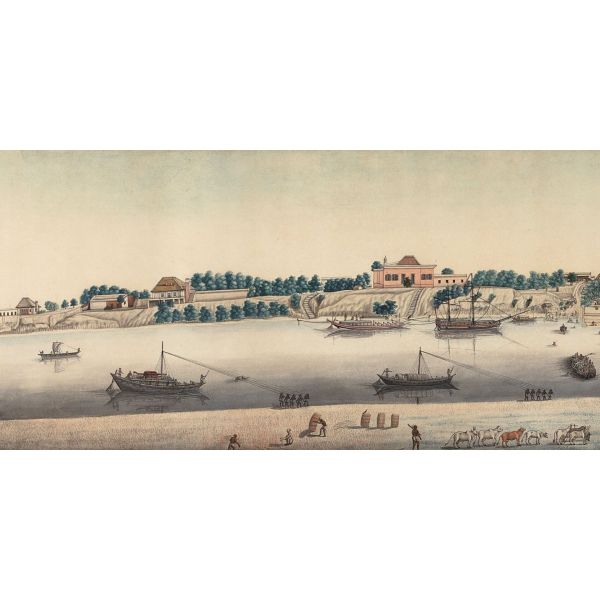
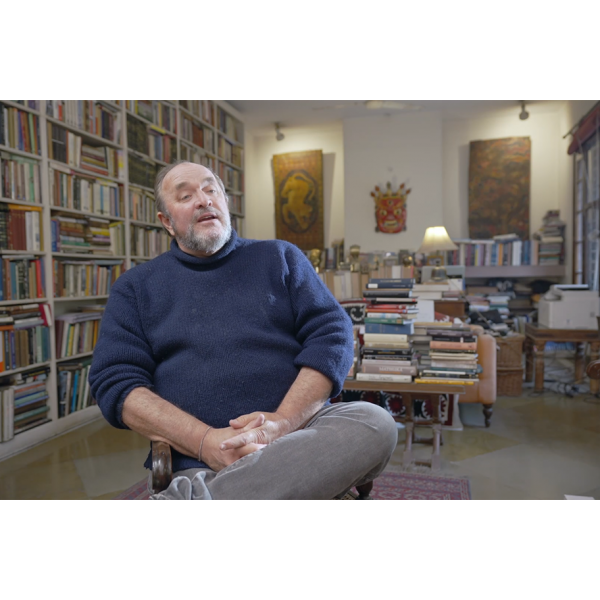 JournalWilliam Dalrymple on ‘Panorama of a Small British Station on the Ganges’$0.00
'Iconic Masterpieces of Indian Modern Art, Edition 2' opened on 11 February, featuring fifty artworks which shaped the trajectory of pre-modern and modern art in the country. As part of the exhibition, William Dalrymple reflects on the painting ‘Panorama of a Small British Station on the Ganges’. Commissioned by Major James Natheniel Rind and painted like a scientific record of a scenario, the composition evokes a transitional phase between an older Mughal ethos and the emerging world of the Company.
Join us for a talk by William Dalrymple on Indian Painting for the East India Company on Wednesday, 5th April 2023, 7pm at DAG, 22A Janpath Road, Windsor Place, New Delhi
Learn More -
 JournalTerm of the Month: Provenance$0.00
One of the most important ways in which a work of art is authenticated is by checking its provenance. What does provenance mean and how does it affect the identity of an artwork itself? The concept has evolved historically over the years; below, we try to highlight some of the important aspects of this debate in our recurring series, Argot, that seeks to demystify some of the major ideas from the world of art.
Learn More -
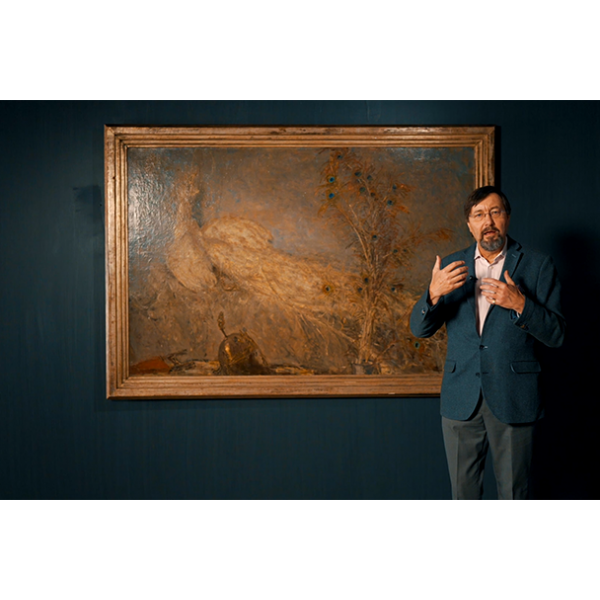 JournalGiles Tillotson on Marius Bauer$0.00‘Iconic Masterpieces of Indian Modern Art, Edition 2’ opened on 11 February at DAG’s Janpath Gallery in New Delhi featuring fifty artworks which shaped the trajectory of pre-modern and modern art in the country. As part of the exhibition, Giles Tillotson speaks on the Dutch Orientalist Marius Bower’s painting ‘Witte Pauw’ where he tries to evoke the sense of a Rajput court through motifs like peacock feathers, along with adding an element of fantasy. Learn More
 -
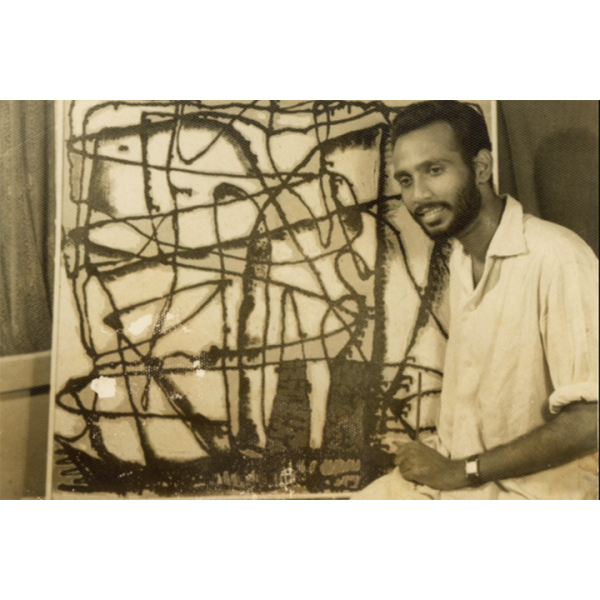 JournalKishore Singh on P. Khemraj$0.00‘Iconic Masterpieces of Indian Modern Art, Edition 2’ opened on 11 February at DAG’s Janpath Gallery in New Delhi featuring fifty artworks which shaped the trajectory of pre-modern and modern art in the country. As part of the exhibition, Kishore Singh speaks on P. Khemraj’s ‘Charpoi’ painting and its sensualist language. The autobiographical elements of the work and its depiction of universally felt emotions within a language of abstraction, personalizes its appeal. Learn More
 -
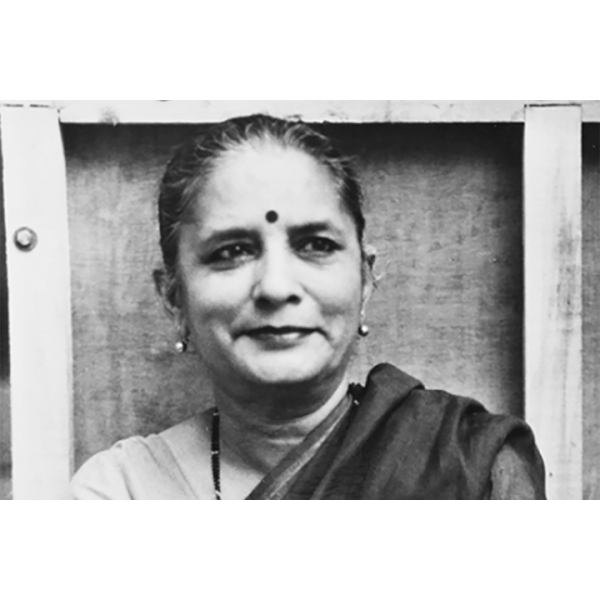 JournalManisha Parekh on Madhvi Parekh$0.00
‘Iconic Masterpieces of Indian Modern Art, Edition 2’ opened on 11 February at DAG’s Janpath Gallery in New Delhi featuring fifty artworks which shaped the trajectory of pre-modern and modern art in the country. As part of the exhibition, Manisha Parekh recalls her memory of her mother Madhvi Parekh as an artist working within spaces of familial intimacy.
Learn More -
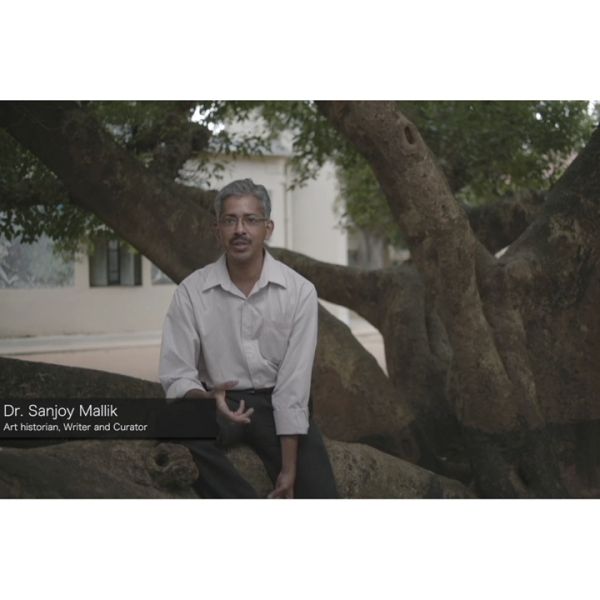 JournalNavratna: India’s National Treasure artists$0.00It was in the 1970s that the government of India declared nine artists as National Treasures, attesting to the significance of their contribution to the shaping of modern Indian art identity. ‘Navratna: Nine Gems of Indian Art’ was a unique opportunity to see seminal works by all the nine together, to understand the uniqueness of their collective contribution, at Drishyakala, a joint collaboration between DAG and the Archaeological Survey of India. Learn More
 -
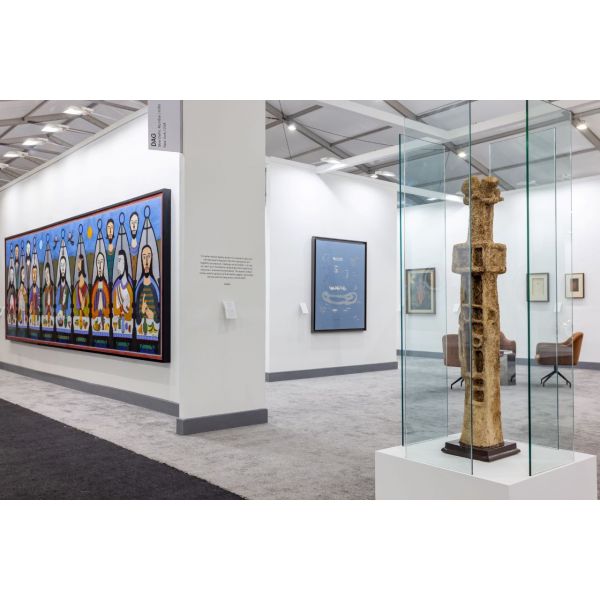 JournalModernists In Focus: Art Festivals, Early 2023$0.00
With the cultural calendar being packed till spring, join us as we travel through some of the most popular ongoing or upcoming art fairs and biennales. Take a close look at artists who bring modernist ideas to the contemporary art context. With some ubiquitous names from the twentieth century art world accompanied by a few of those that have been historically overlooked, discover how ideas around the Modern have evolved through these fairs and biennales, as we focus on notable artists from each art festival and delve into their practice.
Learn More