


Search results for: 'skymation deviantart spongetwi a sponge in time'
-
 Collection OnlineTHE WASH TECHNIQUE$1.00
The wash technique has come to be associated in India with the art of the Bengal School, but the story of its origins in India takes us back to an era of rich cultural exchanges. In the early twentieth century artists like Abanindranath Tagore were trying to imagine a pan-Asian cultural identity, and they turned for inspiration to traditions from across Persia to Japan. Rabindranath Tagore's friendship with Okakura Kakuzō occasioned the arrival of several Japanese artists in Kolkata, such as Yokoyama Taikan, Hishida Shunsō and Katsuta Shōkin. While the latter found inspiration in the Hindu epics, artists in Bengal adapted techniques that were used by the Japanese, such as the wash technique or the subtle use of ink and brush. Since then, the wash technique has been interpreted widely by individual artists, offering an ethereal quality of light to their works, or, in some cases, like for Gaganendranath Tagore and Prosanto Roy, new possibilities of painting in various shades of darkness.
Learn More -
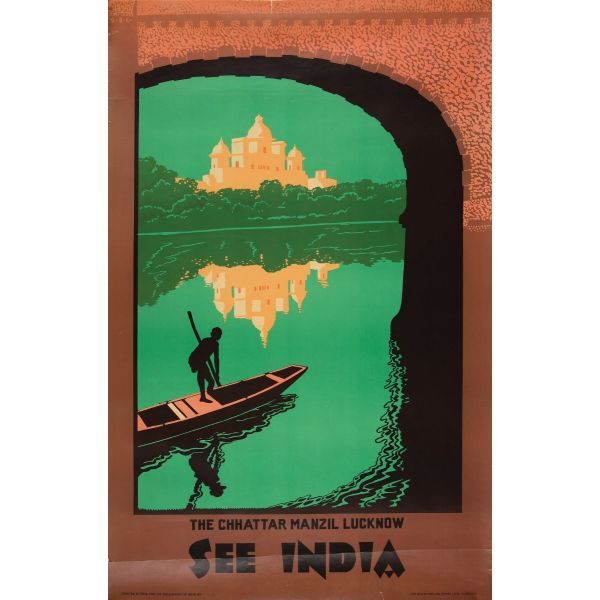 Events and ProgrammesFont, Form, Function$1.00
A workshop on typography and the art of font-making, facilitated by Diptanshu Roy, Creative Director (Wunderman Thompson) and Musician, inspired by the poster art of early 20th century.
Learn More -
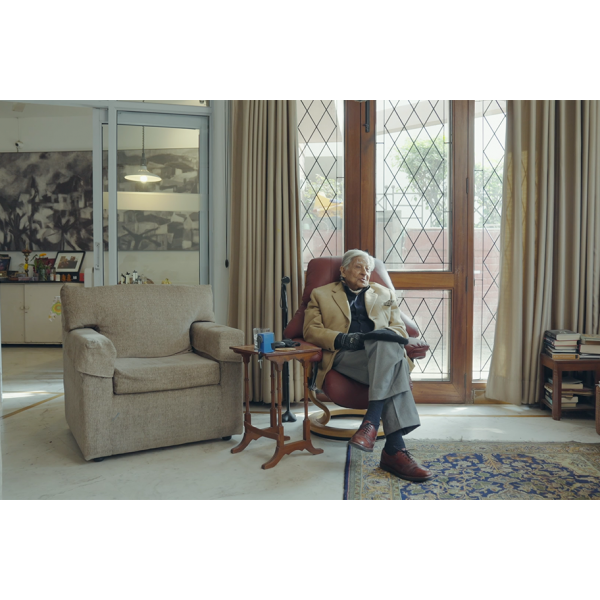 JournalKrishen Khanna on ‘Woman with a Basket of Fruit’$0.00'Iconic Masterpieces of Indian Modern Art, Edition 2' opened on 11 February, featuring fifty artworks which shaped the trajectory of pre-modern and modern art in the country. As part of the exhibition, Krishen Khanna speaks on the relationship between colors in his work and reflects on his painting ‘Woman with a Basket of Fruit’ which draws gestural elements, like the swinging posture, from South Asian bronzes. Learn More
 -
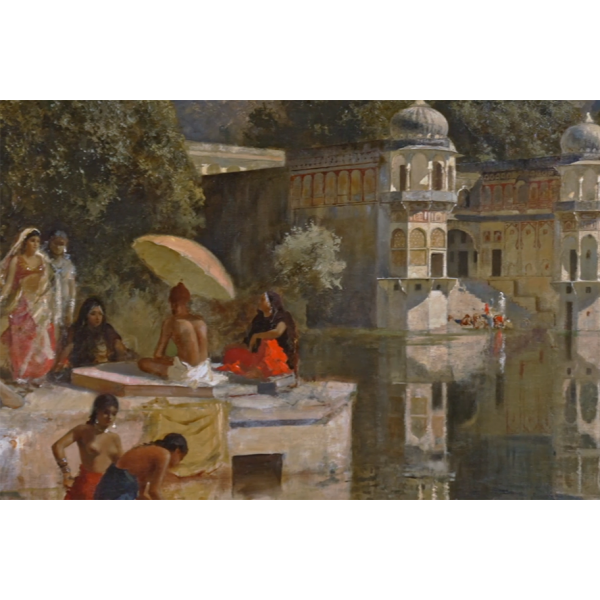 JournalLakshyaraj Singh Mewar on Edwin Lord Weeks$0.00'Iconic Masterpieces of Indian Modern Art, Edition 2' opened on 11 February, featuring fifty artworks which shaped the trajectory of pre-modern and modern art in the country. As part of the exhibition, Lakshyaraj Singh Mewar explores arts patronage in Mewar under Maharaja Fateh Singh and reflects on artist Edwin Lord Weeks’ painting ‘Lake at Oodeypore’, capturing, in the Orientalist style, lake Pichola as the soul of Udaipur. Learn More
 -
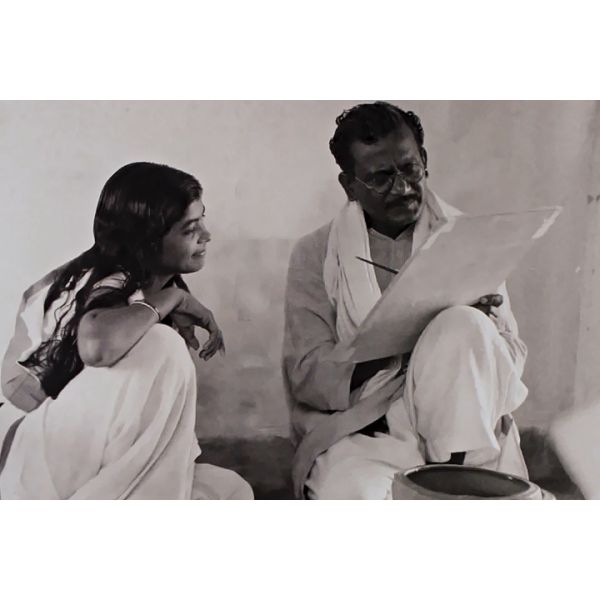 JournalDr. Tapati Guha-Thakurta on Nandalal Bose$1.00'Iconic Masterpieces of Indian Modern Art, Edition 2' opened on 11 February, featuring fifty artworks which shaped the trajectory of pre-modern and modern art in the country. As part of the exhibition, Tapati Guha-Thakurta discusses Nandalal Bose seminal role in cultivating a new ethos of art practice at Kala Bhavan and reflects on his untitled work commonly known as ‘The Artist’s Studio’ drawn in the caricaturist mode. Learn More
 -
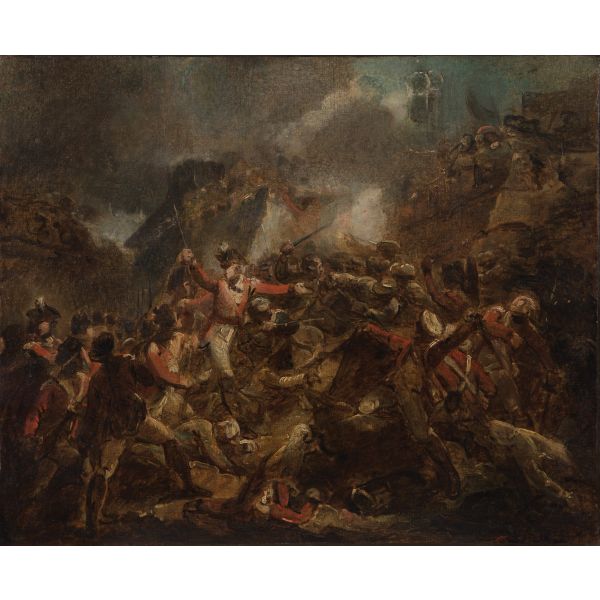 Teaching Through ArtTipoo: The man and the myth$1.00
A creative response guide on exploring multiple historical perspectives through artworks and archival material on the fall of Tipoo Sultan.
Learn More -
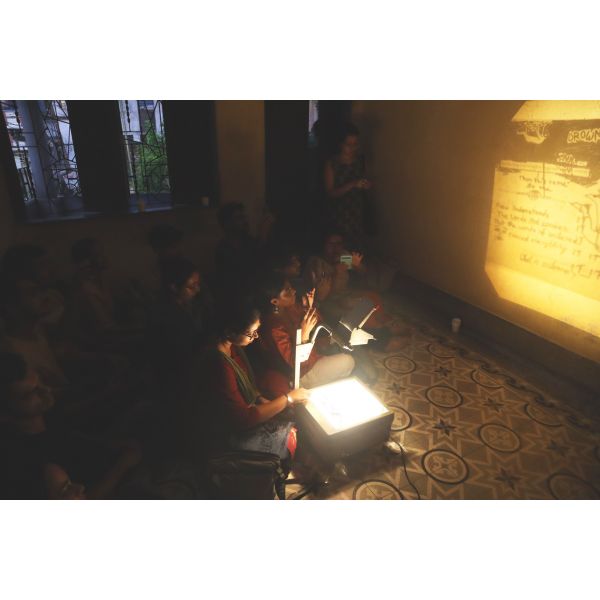 Events and ProgrammesAssemblage: Horizons$1.00
A visit to the chilekotha studio of contemporary artist Ushnish Mukhopadhyay to witness his experiments with assemblage through fragmented images and disassociated objects.
Learn More -
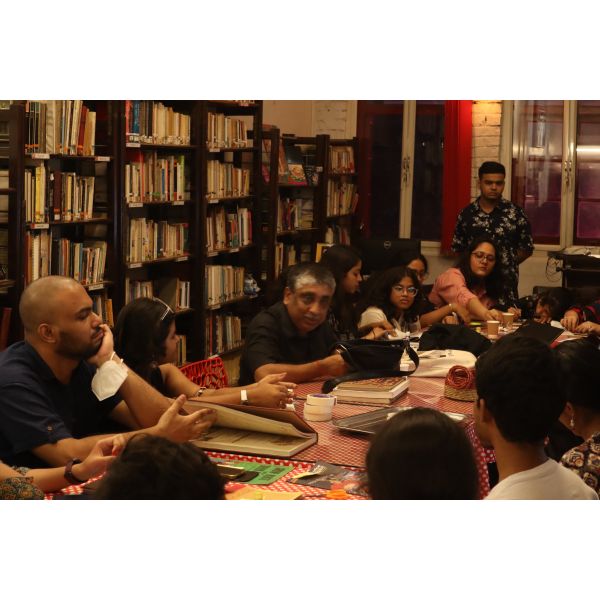 Events and ProgrammesAssemblage: Histories$1.00
A sketching and reading session with art historian Debdutta Gupta on the artistic practice of assemblage centred on the text Khuddur Jatra by Abanindranath Tagore.
Learn More -
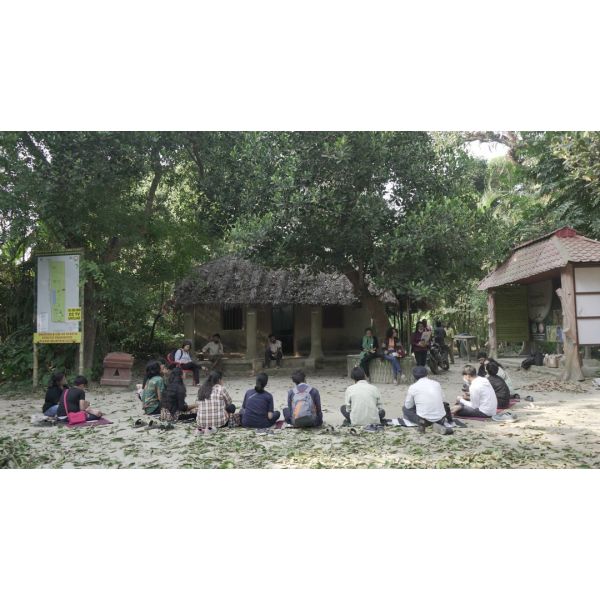 Events and ProgrammesAn Artist's Retreat$1.00
An exploration of the relationship between art and ecology through a visit to the house-museum of artists Chintamoni and Amina Kar with Prasanta Dan, along with a foliage study session in the idyllic bird sanctuary that surrounds it.
Learn More -
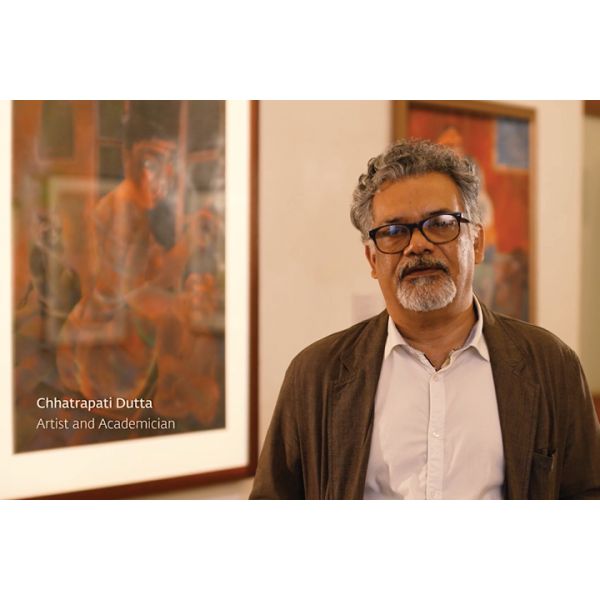 JournalThe Story of Bengal Art - Part 3$0.00
The Story of Bengal Art presents a panoramic view of the evolution of visual arts in the region. The final episode, presented by artist and academician, Prof. Chhatrapati Dutta, speaks of the fractious modernism that marks Bengal art in the mid and late 20th century. The series was shot in the majestic galleries of DAG's Ghare Baire museum-exhibition at Kolkata's Currency Building.
Learn More -
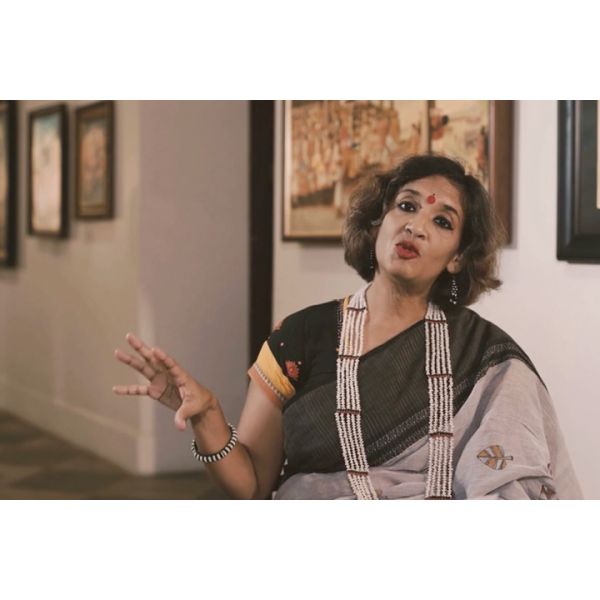 JournalThe Story of Bengal Art - Part 1$0.00The Story of Bengal Art presents a panoramic view of the evolution of visual arts in the region. The story of the first episode, presented by artist, academic, and curator, Dr. Paula Sengupta, begins in the late 18th century with the arrival of the first European traveling artists. The series was shot in the majestic galleries of DAG's Ghare Baire museum-exhibition at Kolkata's Currency Building. Learn More
 -
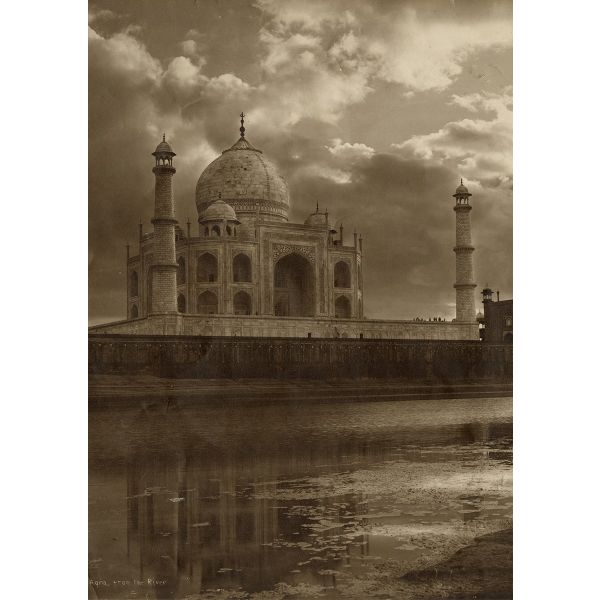 Collection StoriesThe Afterlife of the Taj Gardens: Changes in the Landscape$1.00
Often described as ‘Poetry in Stone’, the Taj Mahal was laid out between 1631-43 by Mughal Emperor Shah Jahan as a mausoleum for his wife Mumtaz Mahal. It is the architectural elements of the Taj complex that grab the most attention, but in fact the garden is the heart of the complex . The visitors today are so transfixed by the Taj itself that they remember very little of the garden. DAG Archive attempts to illustrate the life and ‘afterlife’ of the Taj gardens, once its control was taken over by the British. This archive deep dive showcases the objects from A. E. P. Griessen’s (1875–1935) collection.
Learn More