


Search results for: 'Kanwal Krishna Svolvær Norway year 1952 size 14 7 x 18 0 in medium Oil on Masonite board'
-
 Institutional CollaborationsGhare Baire: The World, the Home and Beyond 18th – 20th Century Art in Bengal$1.00
Ghare Baire was a museum-exhibition showcasing over 200 years of art in Bengal. Presented by DAG in collaboration with the National Gallery of Modern Art and the Archaeological Survey of India, the exhibition was housed at the historic Currency Building, across twelve galleries featuring over 700 artworks. The exhibition was the largest showcase of Bengal Art, presenting a panoramic view of the evolution of art in a region that has been critical to the development of Indian modern art. The exhibition starts with the arrival of the travelling European artists at a time of exchange between Bengal and the world. This confluence of cultures stimulated new visual languages as we see in the Kalighat pat, the Bengal School, and the subsequent emergence of artists who fearlessly and freely experimented with form and subject, reshaping the trajectory of art in India.
Learn More -
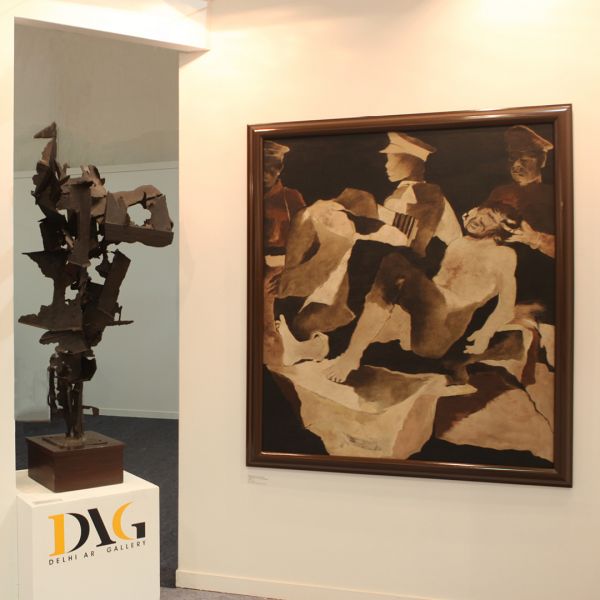 Art FairsIndia Art Fair$0.00
Stepping up its efforts to familiarise viewers with the extensive range of Indian modern art, DAG occupied an extensive booth at the India Art Fair 2014, where over 300 paintings and sculptures were displayed, featuring about 125 artists. The specially designed booth was the centre of attraction at the fair and the most prominent destination for art lovers wanting to understand the development of Indian art from the point of its history, chronology, movements, periods, regions, or genres. It was an art history lesson brought to life and was thronged by visitors. Special talks were organised at the booth. A 332-page catalogue was specially published for the fair and remains a compendium of India’s greatest artists ever. A. A. Almelkar A. A. Raiba A. D. Tavaria A. M. Davierwalla Abalall Rahiman Abanindranath Tagore Akbar Padamsee Altaf Amalnath Chakladhar Ambadas Amitava Aroomoogam Pillay Arpana Caur Avinash Chandra B. C. Law B. Prabha Badri Nath Arya Bal Chhabda Benjamin Hudson Benode Behari Mukherjee Bhupen Khakkar Bijan Choudhary Bikash Bhattacharjee Bimal Dasgupta Bipin Behari Goswami Biren De Bireswar Sen Chintamoni Kar Chittaprosad D. P. Roy Chowdhury Dhanraj Bhagat Dharamanarayan Dasgupta Early Bengal Oil (Anonymous) F. N. Souza G. R. Santosh Gaganendranath Tagore Ganesh Haloi Ganesh Pyne George Keyt Gieve Patel Gogi Saroj Pal Gopal Ghose H. A. Gade Haren Das Hemanta Misra Hemendranath Majumdar Henry Singleton Himmat Shah Indra Dugar J. Sultan Ali J. Swaminthan Jacob Epstein Jamini Roy Jeram Patel Jogen Chowdhury Jyoti Bhatt K. C. S. Panicker K. G. Subramanyan K. H. Ara K. K. Hebbar K. Laxma Goud K. S. Kulkarni Kalighat Pat Kanwal Krishna Khagen Roy Kisory Roy Krishen Khanna Kshitindranath Majumdar L. Munuswamy L. N. Taskar L. P. Shaw Laxman Pai M. A. R. Chughtai M. F. Husain M. F. Pithawalla M. V. Dhurandhar Manjit Bawa Manu Parekh Meera Mukherjee Mohan Samant N. R. Sardesai N. S. Bendre Nandalal Bose Nemai Ghosh Nikhil Biswas P. Chander Sheker P. Khemraj P. T. Reddy P. V. Janakiram Paritosh Sen Pestonji E. Bomanji Portrait (Anonymous) Prabhakar Barwe Prodosh Das Gupta Prokash Karmakar Prosanto Roy R. Vijaivargiya Rabin Mondal Rabindranath Tagore Radha Charan Bagchi Raghav Kaneria Raja Ravi Varma Ram Kumar Ramendranath Chakravorty Rameshwar Broota Ramkinkar Baij Ravi Varma School (Anonymous) S. Dhanapal S. G. Thakur Singh S. H. Raza S. L. Haldankar S.K. Bakre Sailoz Mukherjea Sankho Choudhuri Satish Gujral Shiavax Chavda Shyamal Dutta Ray Sohan Qadri Somnath Hore Suhas Roy Sunil Das Sunil Madhav Sen Thomas Daniell Tyeb Mehta V. Nageshkar V. S. Gaitonde Ved Nayar
Learn More -
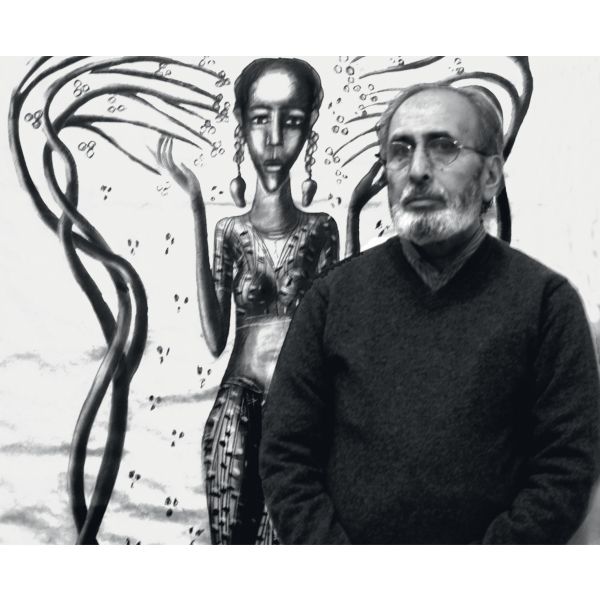 ArtistsVed Nayar$0.00Born in Lyallpur in 1933 in pre-Partition Punjab, Ved Nayar’s earliest creative urges were born out of his close engagement with the jungle around his house. He moved to Delhi as a teenager following Partition and obtained a B.A. degree from the city’s St. Stephen’s College in 1952. He then joined Delhi Polytechnic in 1957 and participated in Lalit Kala Akademi’s national exhibition the same year. Learn More
 -
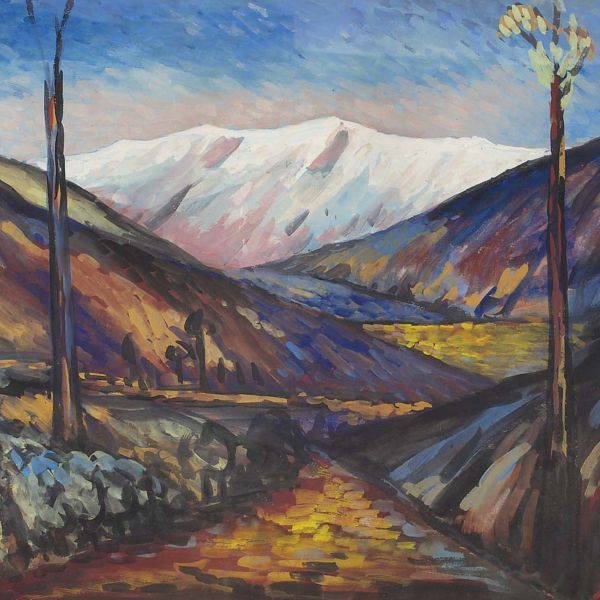 ExhibitionsManifestations VII: 75 ArtistsAs low as $1.00
The exhibition features several works of academic realist portraiture from early 20th century—vivid oil portraits by masters of the form such as Pestonji Bomanji, M. F. Pithawalla, Baburao Painter and L. N. Taskar as well as charcoal sketches by M. V. Dhurandhar, an academic artist of renown of the same period. The selection features Western academic oil-influenced works on mythological themes by the school referred to as Early Bengal and two works painted in a Raja Ravi Varma-derived style—an anonymous work by the Ravi Varma ‘School’ and Aroomoogam Pillay. A. A. Almelkar Abalall Rahiman Abani Sen Akbar Padamsee Ambadas Anonymous (EarlyBengal) Anonymous (Portraiture ) Anupam Sud Aroomoogam Pillay Avinash Chandra Baburao Painter Badri Narayan Bijan Choudhary Bikash Bhattacharjee Biren De Chintamoni Kar Chittaprosad D. P. Roy Chowdhury Devyani Krishna Dharamnarayan Dasgupta F. N. Souza G. R. Santosh G. Ravinder Reddy Ganesh Haloi Gogi Saroj Pal Gopal Ghose H. A. Gade Himmat Shah J. Sultan Ali J. Swaminathan Jamini Roy Jeram Patel Jogen Chowdhury Jyoti Bhatt K. H. Ara K. K. Hebbar K. Laxma Goud K. S. Kulkarni K. V. Haridasan Kshitindranath Majumdar L. Munuswamy L. N. Taskar Laxman Pai M. F. Husain M. F. Pithawalla M. V. Dhurandhar Madhvi Parekh Mukul Dey N. S. Bendre Nandalal Bose Nasreen Mohammedi Nicholas Roerich Nikhil Biswas P. Khemraj P. T. Reddy Paritosh Sen Pestonji E. Bomanji Prosanto Roy Rabin Mondal Ram Kumar Ramkinkar Baij Ravi Varma ‘School’ S. H. Raza S. K. Bakre Sadequain Sailoz Mukherjea Shanti Dave Shyamal Dutta Ray Sohan Qadri Sudhir Patwardhan Sunil Das Sunil Madhav Sen Tarak Garai Ved Nayar Walter Langhammer
Learn More -
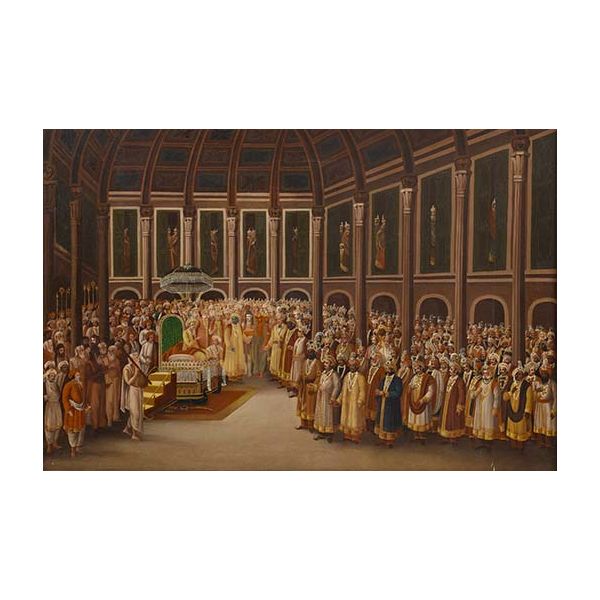 JournalTapati Guha Thakurta on Bengal Oil Paintings$1.00
Artists may be anonymous but their times are not. Art historian and curator Dr. Tapati Guha-Thakurta takes us through the Early Bengal oil paintings from the 19th and early 20th century on display at DAG, New Delhi.
Learn More -
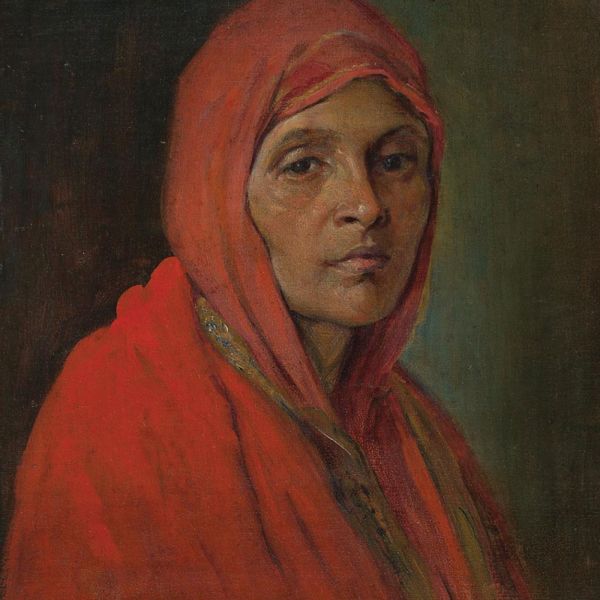 ExhibitionsIndian PortraitsAs low as $1.00
A portrait is a painting, photograph, sculpture, or other artistic representation of a person, in which the face and its expression are predominant. The intent is to display the likeness, personality, and even the mood of the person. For this reason, in photography, a portrait is generally not a snapshot, but a composed image of a person in a still position. A portrait often shows a person looking directly at the painter or photographer, in order to most successfully engage the subject with the viewer A. A. Raiba Abalall Rahiman Abanindranath Tagore Akbar Padamsee Alagiri Naidu Alphonso Doss Ambika Dhurandhar Anjolie Ela Menon Anonymous (Bengal Lithographs) Anonymous (Ladies and Gentlemen) Anonymous (Painted Photographs) Anonymous (Parsi Eminences) 90 Anonymous (Raja Ravi Varma School) Anonymous (Royal Personages) Anonymous (Spiritual) Anonymous (Studio Photographs) Ardeshir Duishajee Tavaria Asit Kumar Haldar B. Paul Baburao Sadwelkar Badri Narayan Benjamin Hudson Bhunath Mukherjee Bhupen Khakhar Bikash Bhattacharjee Bipin Behari Goswami Biswanath Mukerji C. N. Kistnasawmy Naidu Cecil Burns Chintamoni Kar Chittaprosad D. L. N. Reddy D. P. Roy Chowdhury Devyani Krishna F. N. Souza Fatima Ahmed Frank Brooks G. Kamble G. N. Jadhav G. R. Santosh Gaganendranath Tagore George Keyt Gobardhan Ash Gogi Saroj Pal Gopal Deuskar Gopal Ghose Gopal Sanyal H. Hormusji Deboo Himmat Shah Hiranmoy Roychaudhuri J. A. Lalkaka J. Barton J. D. Dalvi J. D. Gondhalekar J. P. Gonsalves J. P. Gangooly J. Sultan Ali Jacob Epstein Jai Zharotia Jamini Roy Jogen Chowdhury Jyoti Bhatt K. C. Pyne K. K. Hebbar K. Lall K. Laxma Goud K. S. Kulkarni Kanwal Krishna Keshavrao Sadashiv Kisory Roy Koulji Ardeshir Tachakra Krishen Khanna L. M. Sen L. Munuswamy L. N. Taskar L. P. Shaw Laxman Pai M. F. Husain M. F. Pithawalla M. K. Parandekar M. R. Acharekar M. V. Dhurandhar Mukul Dey Muni Singh N. R. Sardesai Nemai Ghosh Nirode Majumdar Olinto Ghilardi P. T. Reddy Paritosh Sen Partha Pratim Deb Pestonji E. Bomanji Pradip Maitra Prahlad Karmakar Prokash Karmakar R. D. Panvalkar R. S. Bisht Rabin Mondal Rabindranath Tagore Raja Ravi Varma Rama Lal Ramendranath Chakravorty S. A. Meerza S. Dhanapal S. G. Thakar Singh S. L. Haldankar Sankho Choudhuri Satish Sinha Savi Savarkar Shanti Dave Sudhir Khastgir Suhas Roy Sunil Das Sunil Kumar Paul Sunil Madhav Sen Sunqua Surendran Nair Sushil Chandra Sen Tarak Garai V. A. Mali V. B. Pathare V. M. Oke V. Nageshkar Ved Nayar Vivan Sundaram Wasim Kapoor
Learn More -
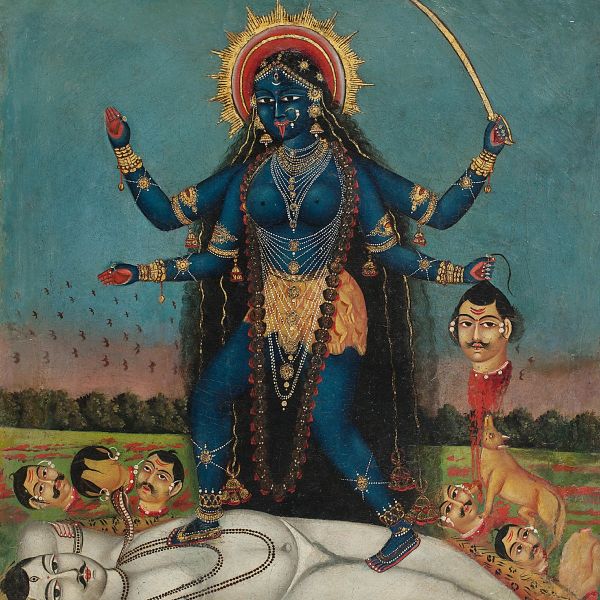 ExhibitionsThe Art of BengalAs low as $1.00
The contribution of the first renaissance capital of the country—Bengal—to Indian art and its development is longstanding, enormous and continued. As one of the largest repositories of Bengal art of the past two centuries, DAG is extremely pleased to announce its major exhibition. 19th Century Popular Paintings 19th Century Popular Prints Abani Sen Abanindranath Tagore Ajit Gupta Amalnath Chakladhar Amitabha Banerji Annada Prasad Bagchi Arun Bose Asit Haldar Atul Bose B C Law B. C. Sanyal Bampada Bandhopadhay Benjamin Hudson Benode Behari Mukherjee Bijan Choudhary Bikash Bhattacharjee Bipin Behari Goswami Biren De Bireswar Sen Biswanath Mukerji Chintamoni Kar Chittaprosad D. P. Roy Chowdhury Das Sunil Bimal Dasgupta Dharamnarayan Dasgupta Dhiraj Chowdhury Dhirendra Deb Burman Dipen Bose Early Bengal Oil Artists Gaganendranath Tagore Ganesh Haloi Ganesh Pyne Gobardhan Ash Gopal Ghoshe Gopal Sanyal Haren Das Hemanta Misra Hemendranath Majumdar Heramba Kumar Ganguly Hirachand Dugar Hiranmoy Roychaudhuri Indra Dugar Isha Mahammad J. P. Gangooly Jamini Roy Jogen Chowdhury Jogesh Chander Seal K. G. Subramanyan Kalighat Patuas Kalikinkar Ghosh Dastidar Kalipada Ghoshal Kartick Chandra Pyne Khagen Roy Kishory Roy Kshitindranath Majumdar Lalit Mohan Sen Lalu Prasad Shaw M. A. R. Chughtai Maniklal Banerjee Manishi Dey Meera Mukherjee Mukul Dey Nabin Chandra Ghosh Nandalal Bose Nikhil Biswas Nirode Majumdar Olinto Ghilardi Paritosh Sen Partha Pratim Deb Prahlad Karmakar Prankrishna Pal Prodosh Das Gupta Prokash Karmakar Prosanto Roy Rabin Mondal Rabindranath Tagore Radhacharan Bagchi Ramananda Bandhopadhyay Ramendranath Chakravorty Ramgopal Vijaivargiya Ramkinkar Baij Ranada Charan Ukil – Ranada Prasad Gupta Rathin Maitra Sailendranath Dey Sailoz Mukherjea Sakti Burman Samarendranath Gupta Sanat Kar Sankho Chaudhuri Sarada Chandra Ukil Sarbari Roy Chowdhury Satish Chandra Sinha Shuvaprasanna Shyamal Dutta Ray Somnath Hore Sudhir Ranjan Khastgir Suhas Roy Sunayani Devi Sunil Madhav Sen Surendranath Ganguly Surendranath Kar Sushil Chandra Sen Zainul Abedin
Learn More -
-
 JournalGroup 1890$0.00Group 1890 remains unique in the journey of modern Indian art for various reasons, the most important being J. Swaminathan as the force behind the short-lived collective that held only one exhibition in its lifetime, in 1963. In 2016, DAG organized a ‘second’ exhibition of the group, featuring works by all its founder members. Learn More
 -
 ExhibitionsAmitava: The Complete WorksAs low as $1.00
In a career spanning four decades, Amitava’s location as an artist has determined the authority that he brings to his practice. As an artist studying and working in the 1960s, Amitava Das experienced a decade of fragmented locii. The ’60s, the period of his education at the College of Art, was the decade of wars, fiscal difficulty and an uncertain polity in the wake of the death of Jawaharlal Nehru. Further, as a second generation pravasi (non-residing Indian) Bengali, the roiling political violence of West Bengal’s Naxal movement came to him through the filter of poetry, film and art—much as he would have received the existential writing of Camus, Genet and Rilke. Through the 1960s and ’70s, small groups of artists and filmmakers in different pockets in India had a heightened response: the state of the nation found an uncanny echo in the language of modernism, of the artist’s isolation and purity even within a state of uncertainty.
Learn More -
 ExhibitionsManifestations XI: 75 ArtistsAs low as $1.00
The art of the twentieth century may be too recent for us to judge it from the viewpoint of longevity, but if the past is any criterion, art is set to outlive us by far—a reason why its documentation is one of the more important tasks before us. This is where the Manifestations series is so important. It encourages discussion and debates around the selection of unique works by seventy-five acknowledged artists spanning a century (or more) of Indian modernism across a range of variously permutable combinations: periods, movements, mediums, materials, regions. Raiba Ambadas Arpana Caur Arun Bose Asit Kumar Haldar Avinash Chandra Bal Chhabda Bikash Bhattacharjee Bimal Dasgupta Biren De Bireswar Sen C. Douglas Chittaprosad Devayani Krishna Dhanraj Bhagat Dharamnarayan Dasgupta Early Bengal (Anonymous) F. N. Souza G. R. Santosh Ganesh Pyne Gogi Saroj Pal Himmat Shah Indra Dugar J. C. Seal J. Sultan Ali J. Swaminathan Gaganendranath Tagore Raja Ravi Varma Jamini Roy Jeram Patel Jyoti Bhatt K. Adimoolam K. C. S. Paniker K. G. Subramanyan K. H. Ara K. K. Hebbar K. Laxma Goud K. S. Radhakrishnan Kalighat Pat (Anonymous) Khagen Roy Krishen Khanna L. Munuswamy Laxman Pai Laxman Shrestha M. F. Husain M. Senathipathi M. V. Dhurandhar N. S. Bendre Nandalal Bose Navjot Nemai Ghosh Nikhil Biswas P. Khemraj P. T. Reddy Paritosh Sen Partha Pratim Deb Prokash Karmakar Prosanto Roy Rabin Mondal Rabindranath Tagore Radha Charan Bagchi Ram Kumar Ranbir S. Kaleka Robert Ker Porter S. H. Raza Sakti Burman Satish Gujral Shanti Dave Shyamal Dutta Ray Gopal Ghose Sohan Qadri Sunil Das Sunil Madhav Sen Thota Vaikuntam Ved Nayar
Learn More -
 ArtistsMohan Samant$0.00Born in Bombay, Mohan Samant showed early proficiency for both music and art. A lifelong player of sarangi—an Indian bowed, string instrument—Samant chose painting as a career and obtained a diploma from Sir J. J. School of Art, Bombay, in 1952. In the early 1950s, he was influenced by his teacher Shankar Palsikar, a painter of the traditional school, but moved soon towards an expressionistic mode in an attempt to discover his own style, fusing the expressive, the primitive and the abstract in his art. Learn More