


Search results for: 'barney dailymotion apr 6 2025 2024 barney wiki make believe'
-
-
-
-
-
-
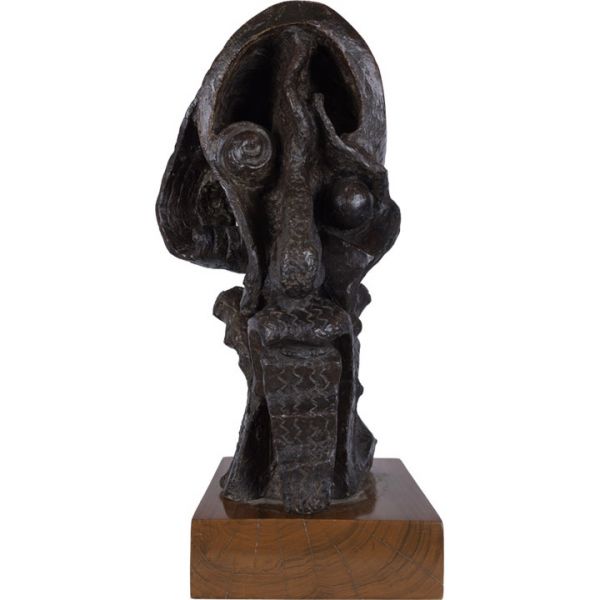
 ExhibitionsAmitava: The Complete WorksAs low as $1.00
In a career spanning four decades, Amitava’s location as an artist has determined the authority that he brings to his practice. As an artist studying and working in the 1960s, Amitava Das experienced a decade of fragmented locii. The ’60s, the period of his education at the College of Art, was the decade of wars, fiscal difficulty and an uncertain polity in the wake of the death of Jawaharlal Nehru. Further, as a second generation pravasi (non-residing Indian) Bengali, the roiling political violence of West Bengal’s Naxal movement came to him through the filter of poetry, film and art—much as he would have received the existential writing of Camus, Genet and Rilke. Through the 1960s and ’70s, small groups of artists and filmmakers in different pockets in India had a heightened response: the state of the nation found an uncanny echo in the language of modernism, of the artist’s isolation and purity even within a state of uncertainty.
Learn More -
 ExhibitionsThe Babu and the BazaarAs low as $1.00
Calcutta, flourishing with commerce and maritime trade during the nineteenth century, was regarded as the ‘second city’ of the British Empire. People thronged there in large numbers to make a livelihood, or in holy pilgrimage, seeking blessings at the Kali temple at Kalighat that had been re-built in 1809. Annada Prasad Bagchi Bamapada Banerjee B. C. Law C. W. Lawrie Kshetradas Chitrakar Panchanan Karmakar Madhav Chandra Das Ramadhan Swarnakar Ganganarayan Ghosh Nritya Lal Datta Press Kristohurry Das Chorebagan Art Studio Kansaripara Art Studio Calcutta Jubilee Art Studio Bat-tala
Learn More -
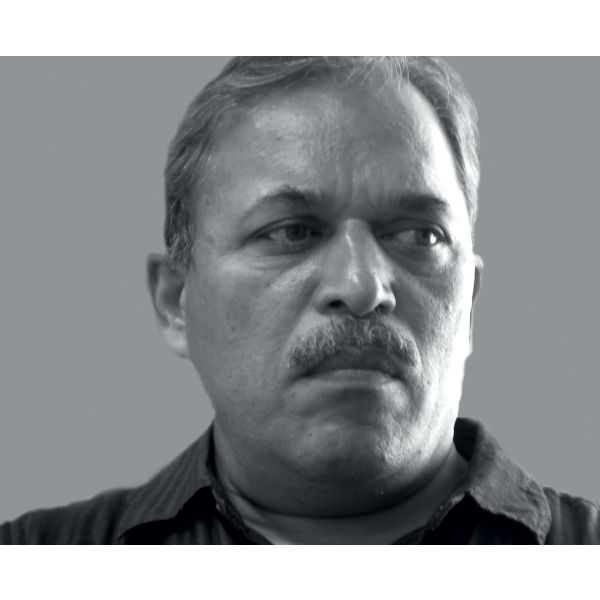 ArtistsDattatraya Apte$0.00Born on 11 April 1953 in Sangli, Maharashtra, Dattatraya Apte grew up in a culturally-charged household. His father was a teacher and used to make Ganehsa idols for puja at home, a skill that young Apte learnt early on. He also learnt to paint photographs and retouch negatives with an uncle who was a photographer. Learn More
 -
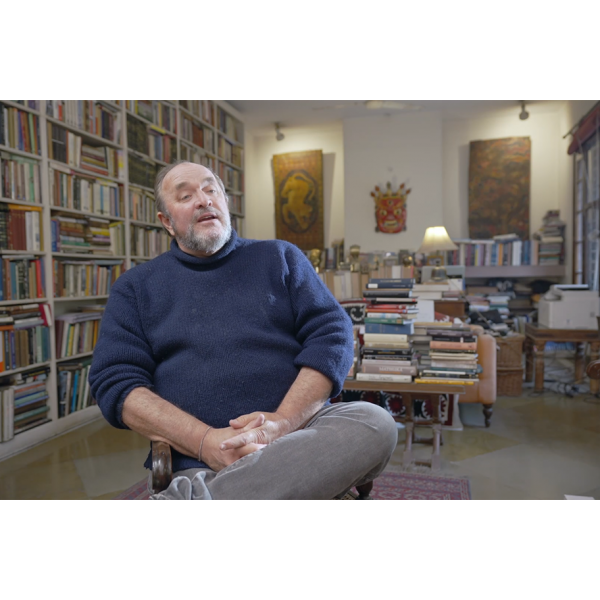 JournalWilliam Dalrymple on ‘Panorama of a Small British Station on the Ganges’$0.00
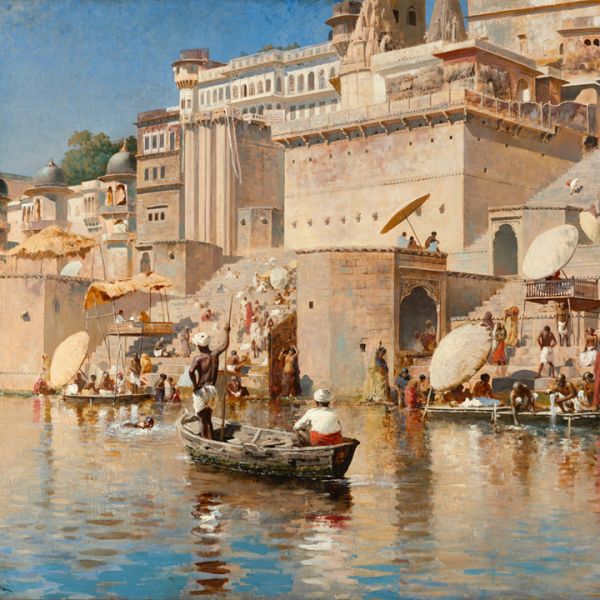
'Iconic Masterpieces of Indian Modern Art, Edition 2' opened on 11 February, featuring fifty artworks which shaped the trajectory of pre-modern and modern art in the country. As part of the exhibition, William Dalrymple reflects on the painting ‘Panorama of a Small British Station on the Ganges’. Commissioned by Major James Natheniel Rind and painted like a scientific record of a scenario, the composition evokes a transitional phase between an older Mughal ethos and the emerging world of the Company.
Join us for a talk by William Dalrymple on Indian Painting for the East India Company on Wednesday, 5th April 2023, 7pm at DAG, 22A Janpath Road, Windsor Place, New Delhi
Learn More -
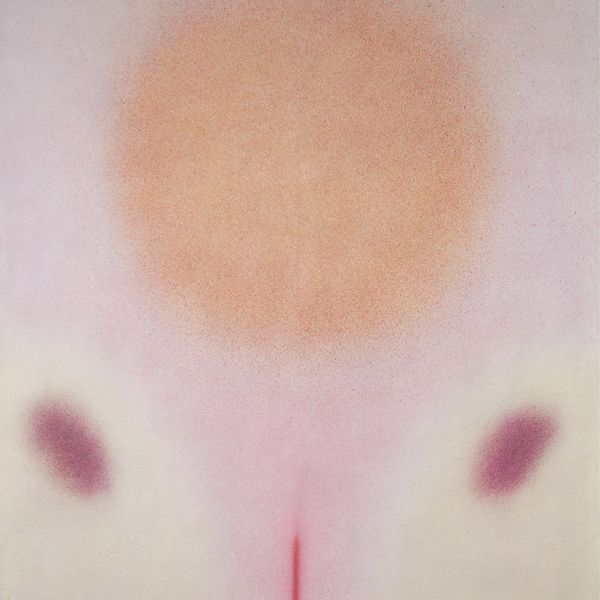
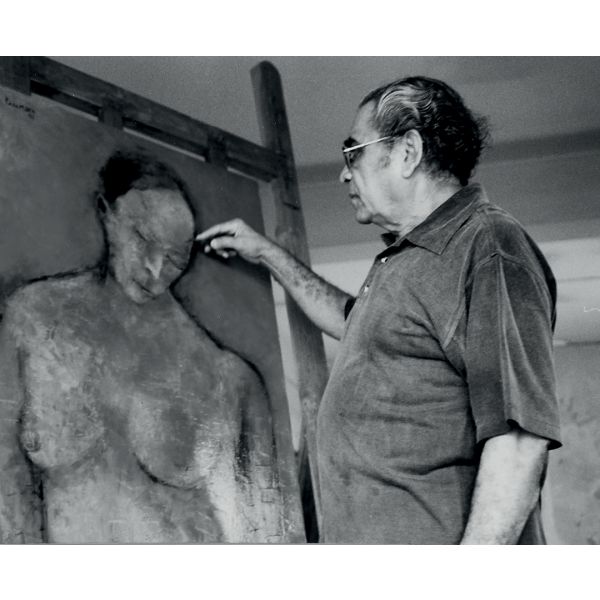 ArtistsAkbar Padamsee$0.00Belonging to the first generation of postcolonial Indian artists that sought cosmopolitan freedom in Paris and London during the 1950s and ’60s, Akbar Padamsee developed his images within the genres of portraiture and landscape as refracted through the prism of high modernism. Learn More
 -
 Collection OnlineCHITTAPROSAD$1.00
Chittaprosad (1915 – 1978) was an artist of the people. A firm believer in the power of political art to bring tangible change in society, he is remembered for political cartoons and caricatures lampooning the ruling elite while championing the cause of the working class.
He was also a dedicated journalist working for the Communist Party of India (CPI) and was sent by the party to document the effects of the Great Bengal Famine of 1943 in Bengal’s villages and towns. He would come back with harrowing stories and sketches of hunger and death and publish them in the CPI’s journal People’s War, something that would prove to be extremely important in the face of British censorship on news about the famine.
Post-Independence, Chittaprosad distanced himself from the CPI due to ideological differences and moved to the outskirts of Bombay. He continued registering protest through his art but focussed increasingly on art for children. He setup a puppet studio, Khela-ghar and created beautiful retellings of epics and folk tales in print.
Learn More -
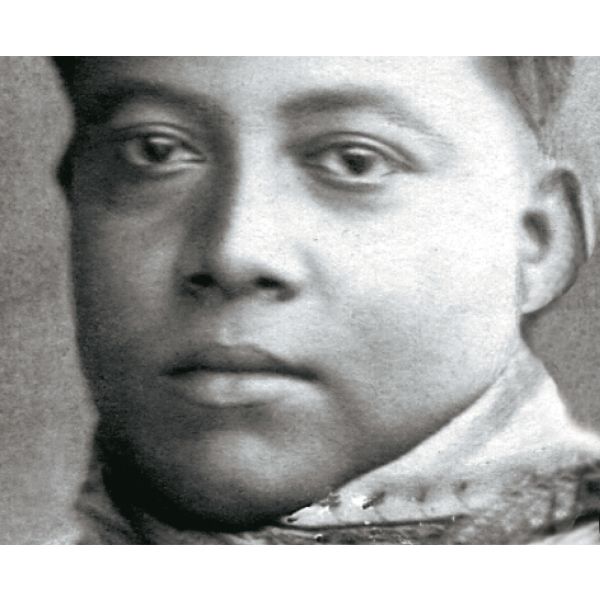 ArtistsProsanto Roy$0.00Born on 25 April 1908, Prosanto Roy joined Brahmacharya Ashram at the age of thirteen, under Rabindranath Tagore’s tutelage. He took to art at a young age, copying the paintings of the great masters. After initial training in art under a European teacher, Roy joined the Tagore residence at Jorasanko in the 1920s. Groomed by Gaganendranath and Abanindranath Tagore, he worked on stage design and illustrated student magazines. Learn More