


Search results for: 'Sale of art works'
-
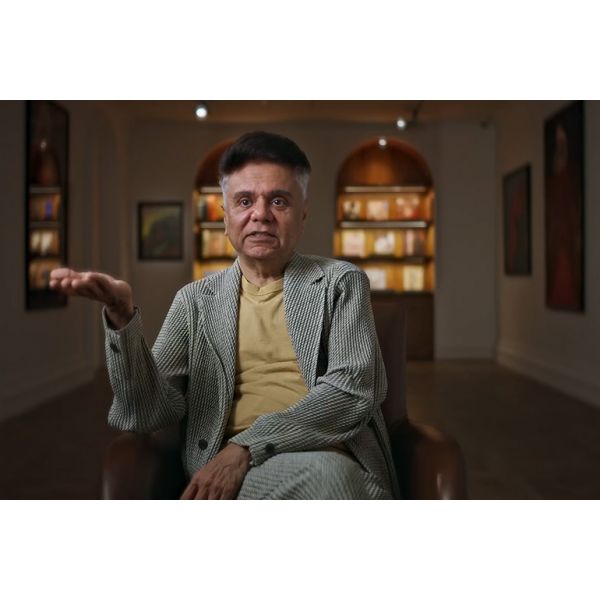
 JournalBikash Bhattacharjee$0.00What do you make of a work of art? What was the artist attempting to communicate? These video shorts offer brief overviews on artists and their work in the way of expert opinions by scholars, curators art writers—and by the artists themselves. Learn More
 -
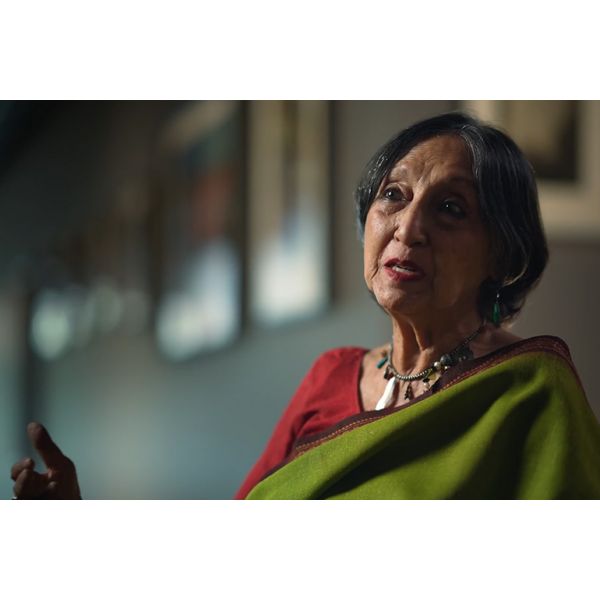
 JournalRam Kumar$0.00What do you make of a work of art? What was the artist attempting to communicate? These video shorts offer brief overviews on artists and their work in the way of expert opinions by scholars, curators art writers—and by the artists themselves. Learn More
 -
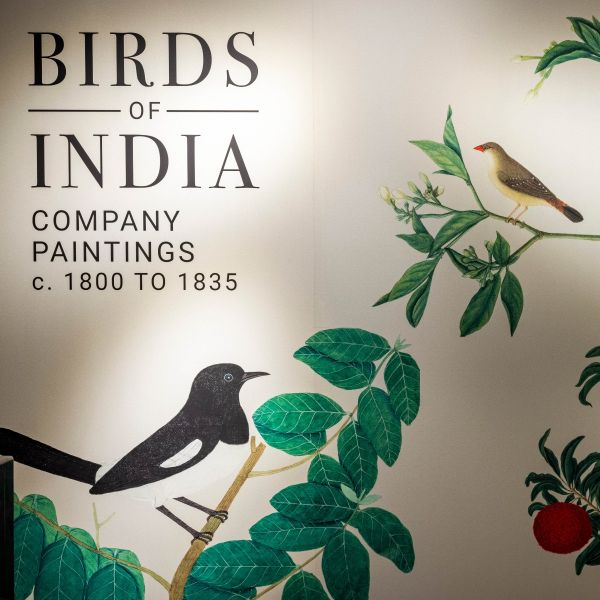 ExhibitionsBIRDS OF INDIAAs low as $1.00
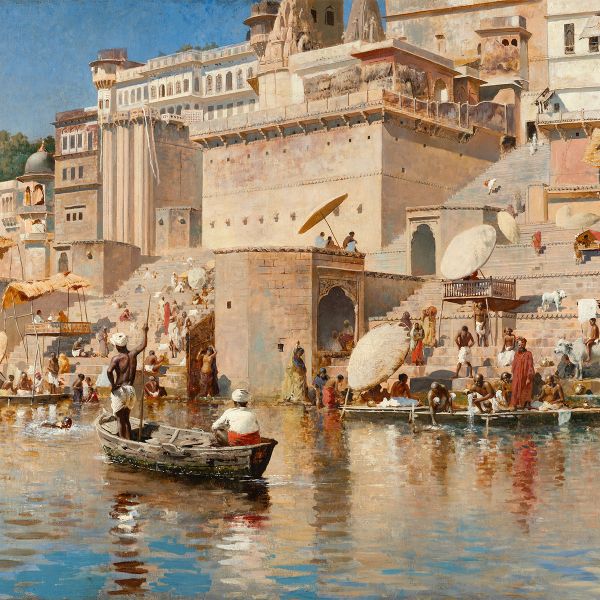
Works of art made by Indian artists for Western patrons in the early colonial period are what we now call Company Painting. The artists, who might otherwise have worked for an Indian court, sought new markets among those employed in various capacities by the European trading companies, and especially the British East India Company. Some patrons supplied the artists with new materials such as European-made paper and transparent watercolour pigments, and expressed preferences regarding subject matter, leading to new departures in both style and substance in Indian art. One of the most delightful genres of Company Painting was natural history: images of India’s plants, animals, and birds. Company Painting Company Paintings British Era
Learn More -
 ExhibitionsMemory & IdentityAs low as $1.00
Much of Indian modernism is enriched by the work that some of its best known artists produced after they had left the country, choosing as home another land. F. N. Souza was among the first to leave, in 1949, to head for London, where a successful practice catapulted him to the top of Britain’s artists. He was followed, in 1950, by S. H. Raza, who settled in Paris, winning the coveted critics’ award (Prix de la critique) in 1956, while others such as Krishna Reddy (Paris and New York), S. K. Bakre (London), Sakti Burman (Paris), Avinash Chandra (London and New York), Mohan Samant (New York), Natvar Bhavsar (New York), V. Viswanadhan (Paris), Sohan Qadri (Copenhagen), Rajendra Dhawan (Paris), Eric Bowen (Oslo), Ambadas (Oslo), and Zarina Hashmi (New York), followed in the 1950s-70s. These fourteen artists, with their diverse styles and concerns in art making, are masters lauded for the sheer range of responses to their environment that their work has registered. However, the question this exhibition forefronts, as its curator Kishore Singh asks, is: ‘Does the artist’s ethnic identity mean art too has an ethnic identity?’ Ambadas Avinash Chandra Eric Bowen F. N. Souza Krishna Reddy Mohan Samant Natvar Bhavsar Rajendra Dhawan S. H. Raza S. K. Bakre Sakti Burman Sohan Qadri V. Viswanadhan Zarina Hashmi
Learn More -
 JournalNavratna: India’s National Treasure artists$0.00It was in the 1970s that the government of India declared nine artists as National Treasures, attesting to the significance of their contribution to the shaping of modern Indian art identity. ‘Navratna: Nine Gems of Indian Art’ was a unique opportunity to see seminal works by all the nine together, to understand the uniqueness of their collective contribution, at Drishyakala, a joint collaboration between DAG and the Archaeological Survey of India. Learn More
 -
 JournalIn the Snows of Kashmir by G. R. Santosh$1.00
G. R. Santosh created a hugely accomplished career without formal training in art. His abstract paintings made in the early 1960s had Kashmir as his muse, and often used encaustic and beeswax—a process he learned from Shanti Dave. Architect and designer Pinakin Patel shares his views about In the Snows of Kashmir, Santosh’s masterful painting with textural relief in a monochrome palette.
Learn More -
 JournalInvocation - 27 by Sohan Qadri$1.00
Sohan Qadri was truly a global artist whose travels and practice spanned India, its Himalayan neighbours, Africa, Europe and Canada. His paintings can be summed up as yantras that serve as visual meditation tools. Invocation – 27 is a vibrant sea of yellow ochre with a band of blue in the middle. A captivating work, Geeti Sen explains, the painting serves to offer viewers a profound experience of transformation and self-discovery.
Learn More -
 Art FairsART15$0.00
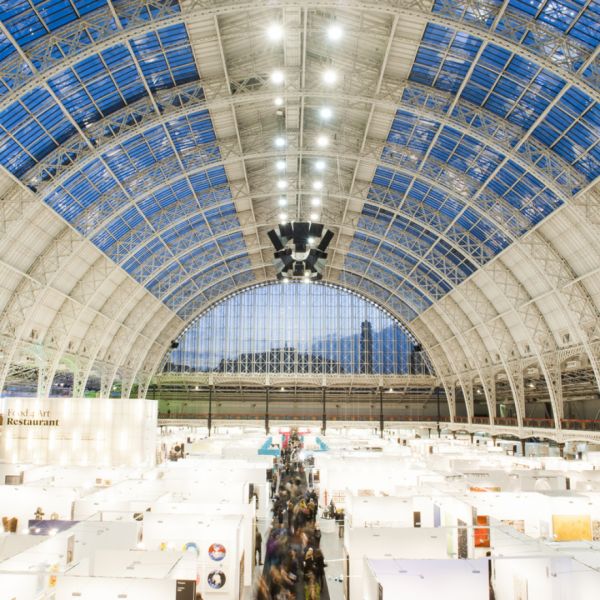
For its debut in London, DAG created a booth-in-booth display space at the historical exhibition venue, Olympia London, that offered glimpses of the artworks from all around, thereby improving its visibility and attracting visitors. Its choice of art too reflected the best from its collection of the twentieth century modern masters of Indian art, who, in turn, had been influenced by movements and artists in the West. Several of these had worked, briefly or for the duration of their careers, in London and Europe. These included Avinash Chandra, F. N. Souza, Ram Kumar, S. H. Raza, Laxman Pai, Manjit Bawa,
Learn More
S. K. Bakre, Sakti Burman and Sohan Qadri among others. The room within the booth was reserved solely for the paintings by F. N. Souza. Akbar Padamsee Ambadas Anjolie Ela Menon Avinash Chandra B. Prabha Bikash Bhattacharjee Dharamnarayan Dasgupta F. N. Souza G.R. Santosh George Keyt Himmat Shah J. Sultan Ali Jogen Chowdhury K. H. Ara K. K. Hebbar K. Laxma Goud Krishen Khanna Laxman Pai M. F. Husain Manjit Bawa N. S. Bendre P. T. Reddy Prodosh Das Gupta Rabin Mondal Ram Kumar S. H. Raza S. K. Bakre Sakti Burman Sohan Qadri Sunil Das -
-
 JournalOn Collecting Textiles with Uthra Rajgopal$0.00
Are the histories of art and fashion distinct from each other? Even a cursory glimpse at the contemporary art landscape—on view during occasions such as the India Art Fair, 2023—tells us otherwise. Fabrics, textiles and weaving practices are being increasingly incorporated into the body of works produced by artists today. They bring with them a host of connotations, historical narratives and sensorial memories that working with other media does not. Uthra Rajgopal, a curator and collection adviser for museums, spoke with DAG briefly on the practice of collecting textiles for museums, their historical significance as artworks as well as trading commodities from South Asia, and how contemporary artists are responding to this complex colonial legacy through their own interventions.
Learn More -
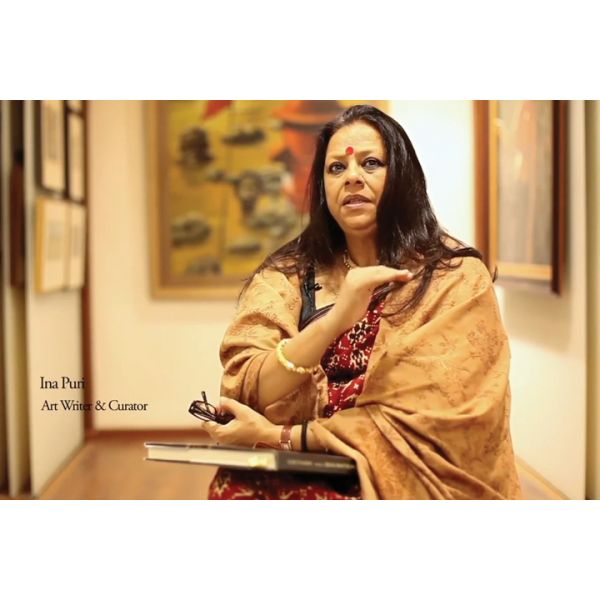
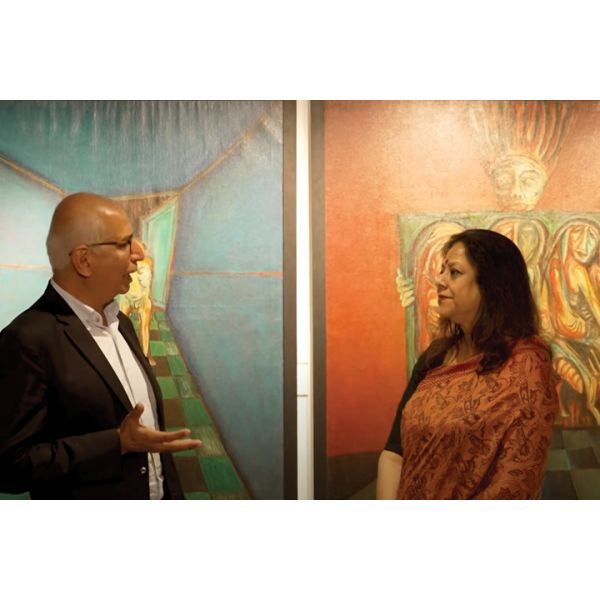 JournalThe Art of Rabin Mondal$0.00A great admirer of Indian modernist Rabin Mondal's works and curator of ‘Kingdom of Exile, a major retrospective on the artist, Kishore Singh of DAG is joined by Ina Puri, documentarian, collector and an old acquaintance of the artist as, together, they explore the circumstances of Mondal’s painterly life, particularly his vaunted King Series. A set of eight powerful paintings on the theme and hubris of power, now going on view at the upcoming Art Dubai 2022 Learn More
 -
 ExhibitionsThe Fifties ShowAs low as $1.00
The twentieth century was marked by two important decades—the 1910s, when the Bengal School saw the establishment of a revivalist practice that came to signify Indian modern art in general; and the 1950s, when a newly independent nation put its colonised past behind it and embraced a triumphant modernism. A. A. RAIBA ADI DAVIERWALLA AVINASH CHANDRA BABURAO SADWELKAR BADRI NARAYAN BIREN DE CHITTAPROSAD D. P. ROY CHOWDHURY DEVYANI KRISHNA DHANRAJ BHAGAT G. R. SANTOSH GANESH PYNE HAREN DAS Indra Dugar J. SULTAN ALI JYOTI BHATT K C S PANIKER K S Kulkarni K. G. SUBRAMANYAN K. K. HEBBAR KANWAL KRISHNA KISORY ROY KRISHEN KHANNA KRISHNA REDDY Laxman Pai M. F. HUSAIN MOHAN SAMANT NANDALAL BOSE NIKHIL BISWAS P. T. REDDY PARITOSH SEN S. H. RAZA S. K. BAKRE SAKTI BURMAN SHANTI DAVE SUNIL DAS SUNIL MADHAV SEN VISHWANATH NAGESHKAR
Learn More